


Once upon a time, it took a community to raise children, then the roof began to leak and foundations came down
If you like the stack of all the denomination of cash in your bank account, you can buy the best things of life for your children, but if you don’t raise them with good morals and values, they will be like a doughnut. Think deeply.

Nagging: ‘Every home should have two special rooms: one for misunderstanding, the other for reconciliation’
A home that only has a room for misunderstanding will become empty because pride and unforgiving attitude will become new house-owners.

Case of hypergamy or criminal scheming? How some Kenyan women turn into vampires when husbands’ fortunes grow
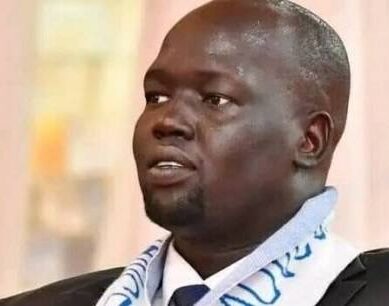
A Kenyan pilot reportedly faces a challenging situation after his wife allegedly transferred property into her name and requested a divorce. Captain Waweru Mwangi, a Kenyan commercial pilot who once considered a religious vocation, is said to be experiencing a difficult period following 34 years of marriage and raising five...

Why wives symbolise divinity in Luhyia cultures of western Kenya, must be present when finishing to build family house
Some of these traditional cultural beliefs inherited or passed down through generations rather than practices based on ‘scientific’ evidence. The science in this context refers proven or verifiable family lineage or sanguinity.
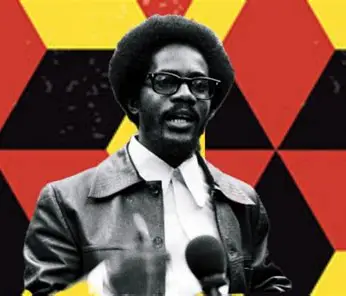
Ruto’s deportation of rights activists echoes Jomo Kenyatta’s rejection of influential Black thinkers Walter Rodney and Frantz Fanon
Walter Rodney had come from Guyana with a scholar’s training and a revolutionary’s concern for ordinary people. He had studied Africa deeply, not as a dead place in old books but as a living source of memory, pride, and resistance.
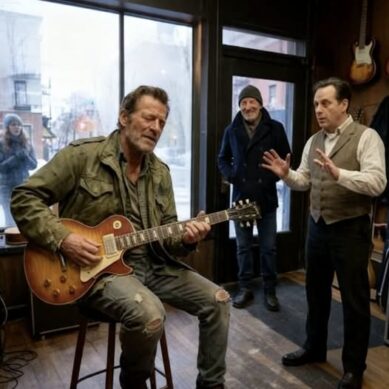
Day American rock-and-roll icon Bruce Springsteen saw homeless guitarist rejected; what he did next stunned shop owner
He played it the way people play guitars they have known a long time with a familiarity that went beyond technical skill into something more like reunion. The specific ease of a player and an instrument that have the same language. He played for about three minutes moving through something that wasn’t quite a song and wasn’t quite improvisation but was somewhere between them.

Damascus moment: Day White supremacist came to kill Bob Marley, instead ‘saw the light’ in front of 15,000 reggae enthusiasts
Derek Mitchell was crying. The song ended. Bob turned away to continue the concert, but something irreversible had happened in those few minutes. Derek sat back down, his body shaking. The black father beside him, the same man Derek had been mentally categorising as an enemy two hours earlier, reached over and put a hand on Derek’s shoulder.
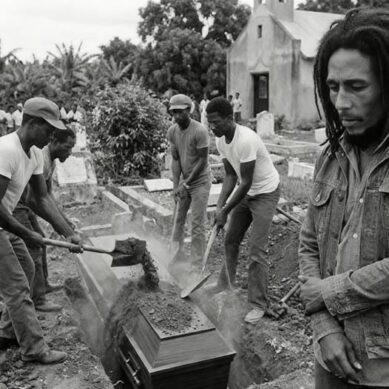
Known to God, mourned by Bob: How Bob Marley restored some dignity to eight dead homeless people in Kingston, Jamaica
The funeral home men lower the coffin on ropes. It hits bottom with a soft thud. The priest says final prayers.
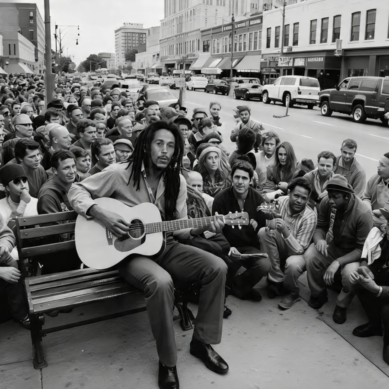
How reggae legend Bob Marley’s humanity taught White studio owner redemption is possible for anyone willing to seek it
Inside the studio, Richard Wittmann watched through the window as the crowd continued to grow. He was getting nervous. 15pm. By now, over 200 people had gathered in the small park. Local musicians had joined Bob on stage, a makeshift stage that was really just the park’s small pavilion. Country musicians, rock players, even some gospel singers had come to support Bob and protest the studio’s discrimination.
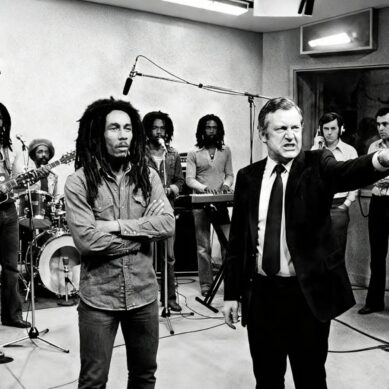
Redemption songs: Day Bob Marley ‘liberated’ BBC from racial bias against Black musicians, opened up space for Black workers
The band looked around. Bob was right. White Londoners were crossing the street to avoid walking past them. Parents were pulling their children closer.