



Kisumu County, with highest number of gay marriages in Kenya has been told to review its healthcare services and laws to accommodate the rising population of same-sex couples in the lakeside city and its environs.
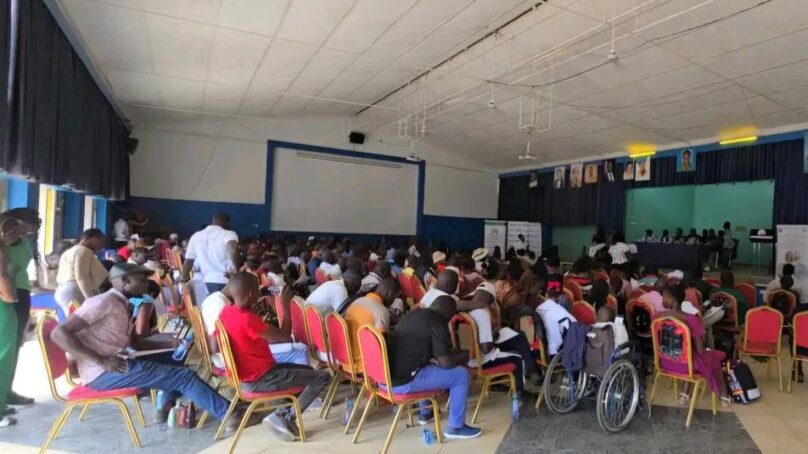
The emerging reality of same-sex unions came up during a public participation forum on the proposed Kisumu County Sexual and Reproductive Healthcare Bill, 2026, at the Mama Grace Onyango Social Hall, where stakeholders backed the Bill as a critical step towards improving healthcare outcomes in the county.
Thee exact number of gay marriages in the region is unknown, but figures tallied by Kisumu-based Men Against Aids Youth Organisation estimated in 2025 the number to be more than 3,000 unions.
Homosexuality is outlawed in Kenya, though.
While local leadership often skirts the issue, Seme Central MCA Seth Okumu said public submissions had raised concerns that issues affecting the LGBTQ community had not been adequately addressed in the proposed legislation. The submission was informed by the reality that Kisumu, with the highest number of gay marriages – more than 3,000 – in Kenya, is not addressing the emerging social and cultural trends.
Okumu said the county had an opportunity to develop a “progressive law” that addresses emerging issues while safeguarding societal values and cultural identity.
“Matters affecting the LGBTQ community, which are not well captured in the Bill, were among the topics that came up during the public participation exercise. We can harmonise culture and the Bill so that our culture is not eroded, while at the same time ensuring that no retrogressive law takes us back to practices that have been overtaken by events,” he said.
Against this backdrop, Kisumu County residents called for expanded access to quality sexual and reproductive healthcare services through establishment of dedicated units in health facilities, besides strengthening support for maternal and adolescent health through legislation.
The calls were made during a public participation forum on the proposed Kisumu County Sexual and Reproductive Healthcare Bill, 2026, at the Mama Grace Onyango Social Hall, where stakeholders backed the proposed law as a critical step towards improving healthcare outcomes in the county.
The forum brought together Members of the County Assembly, county officials, health professionals, civil society organisations, women and youth leaders, religious leaders, persons living with disability and members of the public to deliberate on the proposed legislation aimed at strengthening sexual and reproductive healthcare services.
Participants praised the Bill, saying it would provide a legal framework to address challenges affecting maternal health, adolescent reproductive health, family planning, prevention of sexually transmitted infections and access to quality healthcare services.
The legislator also called for a review of existing policies on sexuality education, arguing that the current emphasis on abstinence in schools does not adequately reflect the realities facing many young people.
“We have realised that the national policy only promotes abstinence in our primary and secondary schools, yet our children become sexually active at a very early stage,” he said.
Nominated MCA, Emily Oginga, urged the County Government of Kisumu to establish dedicated sexual and reproductive healthcare departments within health facilities to improve accessibility and service delivery.
She said the proposed legislation presents an opportunity to institutionalise sexual and reproductive healthcare services across the county and strengthen healthcare systems.
“The County Government of Kisumu needs to come up with a department that the population can easily access. We envision every health facility having a department dedicated to sexual and reproductive healthcare services so that residents can access the services whenever they need them,” she said.
Oginga noted that improved access to such services would significantly contribute to address some of the county’s persistent health challenges.
“This will go a long way in reducing maternal deaths and teenage pregnancies while improving the overall health and wellbeing of our people,” she added.
Youth representatives who attended the forum called for the establishment of more youth-friendly healthcare centres and comprehensive reproductive health education programmes to equip young people with accurate information and enable them to make informed decisions.
They observed that inadequate information and limited access to reproductive healthcare services continue to contribute to rising cases of teenage pregnancies, sexually transmitted infections and school dropouts among adolescents.
Women leaders, meanwhile, urged the county government to prioritise maternal healthcare by ensuring health facilities are adequately staffed and equipped to provide quality antenatal, delivery and postnatal services.
They noted that despite progress made in the health sector, many women, particularly those in rural areas, still face challenges accessing timely and quality reproductive healthcare services.
Health professionals welcomed the proposed Bill, saying it will provide a clear policy and legal framework for planning, financing and coordinating sexual and reproductive healthcare programmes in the county.
They emphasised the need for adequate budgetary allocations, trained healthcare personnel and sustained public awareness campaigns to guarantee successful implementation of the proposed law.
Representatives from civil society organisations called for closer collaboration between the county government, development partners and community-based organisations in promoting sexual and reproductive health rights and expanding access to services.
They said community engagement and public education would be critical in addressing stigma, misinformation and cultural barriers that often discourage individuals from seeking reproductive healthcare services.
County officials assured residents that all views collected during the public participation exercise would be documented and considered before the Bill is tabled before the Kisumu County Assembly for debate and possible enactment.
They reiterated that public participation remains a constitutional requirement and an important avenue through which citizens contribute to policy and legislative processes affecting their lives.
If enacted, the Kisumu County Sexual and Reproductive Healthcare Bill, 2026 is expected to provide a comprehensive framework for promoting, protecting and enhancing access to sexual and reproductive healthcare services, with stakeholders expressing optimism that it will contribute to improved health outcomes across the county.
- A Tell Media / KNA report / By Faith Lumumba


About author