



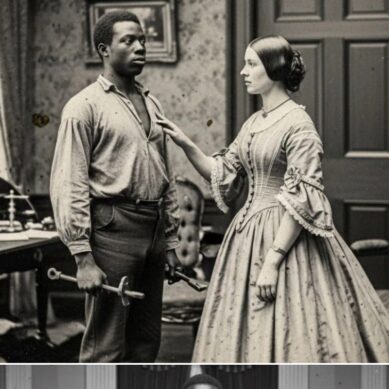
Horrors of slavery: His job was to impregnate slave women, then impregnated his owner’s wife and daughter
When Sheriff Thomas McKinley drew his pistol, Margaret Harlow, the plantation owner’s wife, stepped forward, her belly opened, her child lying dead at her feet, and she raised her bloodied hands in front of Tobias.

Before slave trade was abolished in USA, slaves on plantation farms in Texas would receive 150 lashes for offence of dancing without a permit
Hall kept a white overseer and a Black driver beneath him. The driver was an enslaved man given authority to push other enslaved people harder, a position that sat at one of the cruellest intersections slavery could produce.

Solid gold-3: How stubborn persistence of love for Black man drove Elellanena to breach racial barriers, give birth to three mixed-race children
When Elellanena arrived, there were over 80 inmates crowded into cells meant for two or three. Most of the prisoners were there for minor offenses – theft, prostitution, public drunkenness. A few were there for violence. Elellanena was the only one there for loving across the colour line.
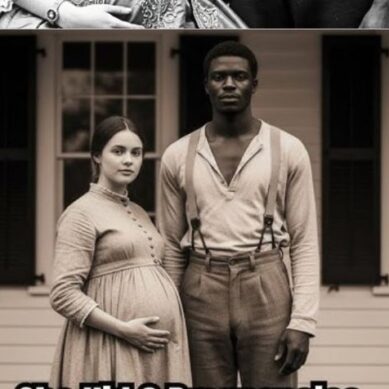
Solid gold-2: How slavery created a system of whips, forced labour, destruction of families, denial of parenthood and love as a secret to hide, code and deny
Samuel continued his work as a blacksmith. He was essential to the plantation now. His skills had expanded beyond horseshoes and hinges. He repaired the cotton gin when it broke down. He built a new irrigation system for the rice fields. He designed tools that made the work more efficient.
Elellanena paid him nothing for this. Of course, slaves could not be paid, but she found ways to improve his conditions: better food, a larger cabin, medical care when he was injured.

Just because I’m Black: Long before Venus and Serena Williams two Black sisters won 14 US national tennis titles but were never paid a cent
Tennis in the 1940s was strictly amateur. The Peters sisters received no prize money, no sponsorships, no compensation of any kind. They paid for their own rackets, their own travel, their own entry fees. They funded a career of national championships by working as schoolteachers.

Solid gold: How white, aristocratic women fought off social norms and law on cotton plantations in USA for romance with Black slaves
Neighbours tried to pressure her into selling. Men she barely knew proposed marriage with transparent motives. Elellanena refused everyone and everything. She hired a new overseer named Thomas Garrett, a man who came recommended by a Quaker family she had met in Philadelphia years earlier. Garrett was unusual for a southern overseer. He did not use the whip.

Scars of slavery-2: Why Slave Master began to drink heavily, haunted by memory of the crippled daughter he had rejected and lost
We buried Violeta on a small hill overlooking the valley where we had been happy. There was no priest, no elaborate ceremony, just me, my new-born son, and the promise that her memory would be honoured. When we arrived at the farm the next day, Colonel Ferreira was waiting for us at the gate. His face showed a mixture of relief and fury.

Scars of slavery-1: No one wanted to marry the colonel’s crippled daughter, so he handed her over to the roughest slave
Eulália had married the colonel five years prior – an ambitious widow who saw Violeta as an obstacle to her own plans. She had two children from her first marriage and always made it clear that Violeta was an unwanted nuisance.
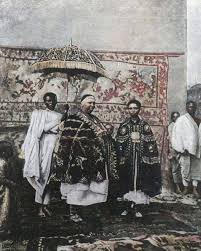
How Empress Taytu Betul saved Ethiopia from becoming Italian colony, then led a force of 5,000 infantry and 600 cavalry against European army
Taytu had watched the Italians operate for years. She’d seen them colonise Eritrea to the north. She’d watched them swallow most of Somalia. She knew exactly what Italy wanted: Ethiopia. And she knew that European powers didn’t sign “friendship treaties” with African nations they viewed as equals.

Seven children-4: Slavery story isn’t about the past, it’s about how the past lives in the present and continue shaping lives today
The story of Samuel and the seven Thornton children forces us to confront uncomfortable truths about how power determines not just who can speak, but what can be officially known.