

How Uganda’s Machiavellian architecture gives way to ecocide, ethnocide and intellectual erosion
The management of Uganda’s education sector exemplifies a patronage-based, neo-patrimonial state. President Tibuhaburwa Museveni’s direct and familial oversight – with the first lady as minister of education and sport – symbolises the sector’s repurposing for political ends. This “Presidentialism in education” ensures personalist initiatives trump systemic planning.

How rhapsodic arts and social sciences instill fear in Uganda President Museveni who prefers imaginary dupes and dullards in natural sciences
The regime’s “commitment to science” is visible in targeted funding, presidential directives and the construction of specialised institutions, all while faculties of humanities and social sciences are starved of resources and morale.

Uganda’s popular opposition leader Bobi Wine abducted in pre-dawn military raid, his whereabouts unknown
As of Friday evening, Museveni, who has been in power since 1986, held a commanding lead with nearly 74 per cent of the vote, the electoral commission said. Wine trailed with 23 per cent.

Post-election tension builds in Uganda as Museveni’s main rival, wife are detained in their house by military
Election Day on Thursday was marred by significant technical problems after biometric machines — used to confirm voters’ identities – malfunctioned and ballot papers were undelivered for several hours in many areas.

In Museveni’s 40 year presidency, Uganda transformed from a promising democracy to present theatre of servitude and sycophancy
January 15, Ugandans’ date with destiny. They will chose (or be forced to retain) President Museveni or dump him for Bobi Wine (Kyagulanyi Ssentamu). In Ugandan context, though, it is said, “history teaches us that we don’t learn from history.” Museveni is the still point of a turning wheel.

Museveni times seven: How normalisation of violence became hard currency for winning Uganda’s omnipresent leader 7th term
Ugandan President Yoweri Museveni is seeking his seventh term in office in the January 15 presidential election that kicks off Africa’s 2026 election calendar. He and his National Resistance Movement (NRM) party are running on the campaign theme of “Protecting the Gains: Making a Qualitative Leap into High Middle-Income Status.”

In Uganda the line between ‘riots and protests’ is burred: both are met with state brute force
The truth is that most governments are fearful of gatherings of any kind because their “captors” believe the gatherings can easily result in challenge, even change of power. The citizens are collectively perceived as enemy-number-one of the state, especially in Africa, where governments frequently arm themselves to the teeth against the citizens.

Buganda Kingdom holds key to democracy in Uganda: Electing Museveni translates to extension tyranny, family dynasty
Buganda has always had an advantage over other regions of Uganda in that it is physically centrally positioned. This is the reason why in the colonial times it was referred to as Central Province. Besides, the seat of power and capital of Uganda are in Buganda. Also, in Buganda is the main state house of the president of Uganda
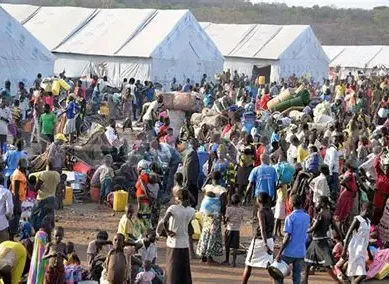
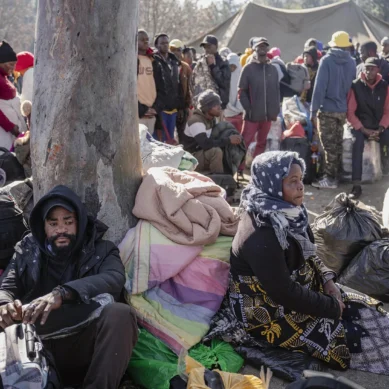
Refugees created avenues for Uganda top brass to steal donor funds, now the exiles face extreme resentment
The refugees have had access to public services, jobs, opportunities almost more readily than the indigenous people. I don’t know how much money the National Resistance Movement (NRM) government has been spending on each Ugandan to survive. However, for refugees, the government says it has been spending $16 on each one of them every month.

Kenya’s IEBC features in Uganda’s presidential election fraud allegations as it is accused of training NRM agents to rig in Museveni
In Uganda, signs of democratic backsliding include restrictions on freedoms, weakened accountability and increasingly opaque governance.
- 1
- 2