


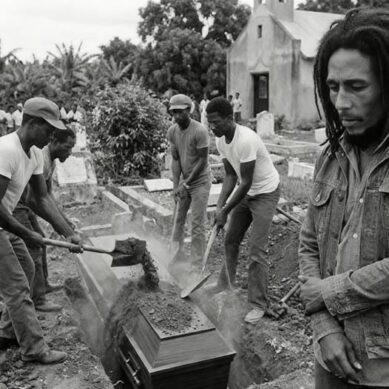
Known to God, mourned by Bob: How Bob Marley restored some dignity to eight dead homeless people in Kingston, Jamaica
The funeral home men lower the coffin on ropes. It hits bottom with a soft thud. The priest says final prayers.
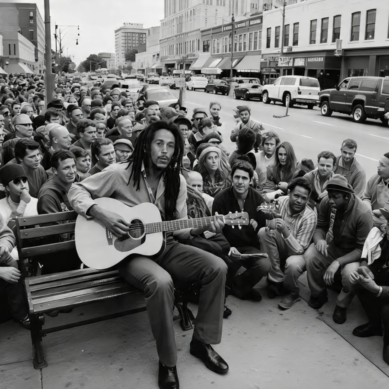
How reggae legend Bob Marley’s humanity taught White studio owner redemption is possible for anyone willing to seek it
Inside the studio, Richard Wittmann watched through the window as the crowd continued to grow. He was getting nervous. 15pm. By now, over 200 people had gathered in the small park. Local musicians had joined Bob on stage, a makeshift stage that was really just the park’s small pavilion. Country musicians, rock players, even some gospel singers had come to support Bob and protest the studio’s discrimination.
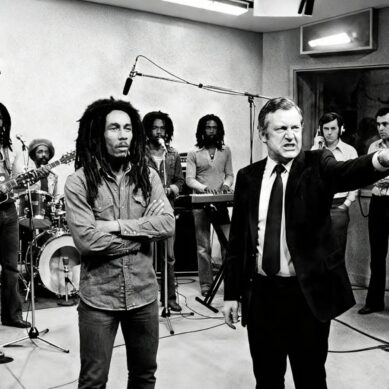
Redemption songs: Day Bob Marley ‘liberated’ BBC from racial bias against Black musicians, opened up space for Black workers
The band looked around. Bob was right. White Londoners were crossing the street to avoid walking past them. Parents were pulling their children closer.
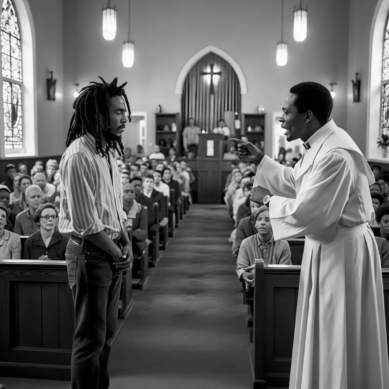
Day Baptist pastor derided Bob Marley as devil worshiper only for the Reggae artist’s ‘Amazing Grace’ to serve him a healthy dose of Jah love
Before Pastor Johnson could object, Bob began reciting from memory: “Judge not that ye be not judged. For with what judgment ye judge, ye shall be judged, and with what measure ye meet, it shall be measured to you again.”
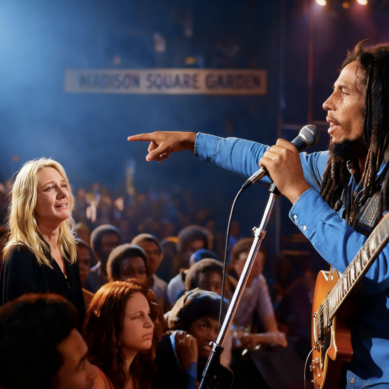
How stolen moments, secret letters and constant fear of forbidden love inspired Bob Marley’s ‘No woman, No Cry’ song
Sarah was crying, her hands pressed to her mouth. She’d obviously recognised the song’s true meaning the moment she heard it in this context, surrounded by thousands of people singing words that Bob had first whispered to her under starlight.
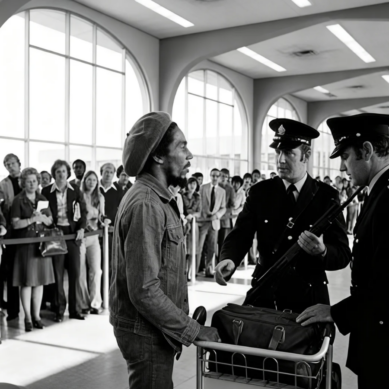
Day Bob Marley taught airport security f ‘the most powerful response to injustice is not resistance but dignity that refuses to bend’
As Bob stepped forward in the security line, an officer raised his hand, not hurried, not aggressive, just firm enough to stop momentum. Sir, step aside. Bob paused.
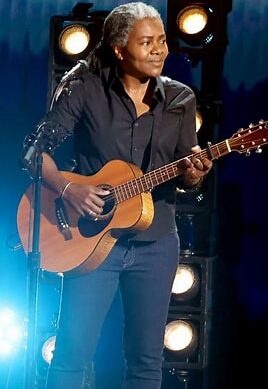
‘Talking About Revolution’ songs: Black folk music icon Trace Chapman waited 35 years to top music charts in US
Fast Car didn’t immediately explode. It climbed slowly, building through word-of-mouth and college radio. Then Tracy performed at a concert tribute to Nelson Mandela (still imprisoned at the time) at Wembley Stadium, broadcast to millions worldwide.

How fallen reggae legend Jimmy Cliff and Bob Marley became political, ideological threats to US resulting in CIA assassinating Marley
Then came 1980s when the foundations of the Berlin Wall looked shaken and East and West Germany looked to be healing longstanding ideological rifts. The Union of Soviet Socialist Republic (USSR), then led by Mikhail Gorbachev, began tumbling like a house of cards. The disintegration of USSR for some time appeared like the ultimate dissipation of communism. There would be no more threat to US cultural, military and ideological hegemony.