


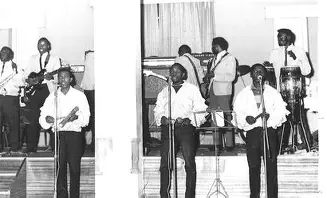
How Tanzanian state-sponsored band, Nuta Jazz and its mutations gave East African music unmistakable tone and tenor
Nuta Jazz Band may not have documented albums in the modern commercial sense the way today’s artists release studio projects, but the band produced a rich catalogue of classic muziki wa dansi songs that circulated widely on vinyl records, radio broadcasts, live recordings and compilations across East Africa during the 1960s, 70s and 80s.
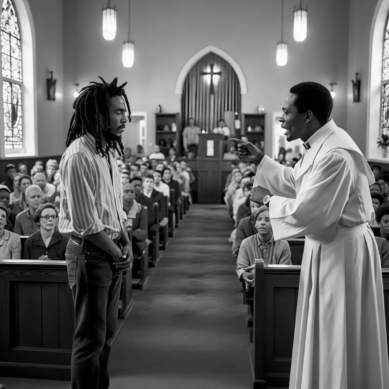
Day Baptist pastor derided Bob Marley as devil worshiper only for the Reggae artist’s ‘Amazing Grace’ to serve him a healthy dose of Jah love
Before Pastor Johnson could object, Bob began reciting from memory: “Judge not that ye be not judged. For with what judgment ye judge, ye shall be judged, and with what measure ye meet, it shall be measured to you again.”

How stolen moments, secret letters and constant fear of forbidden love inspired Bob Marley’s ‘No woman, No Cry’ song
Sarah was crying, her hands pressed to her mouth. She’d obviously recognised the song’s true meaning the moment she heard it in this context, surrounded by thousands of people singing words that Bob had first whispered to her under starlight.
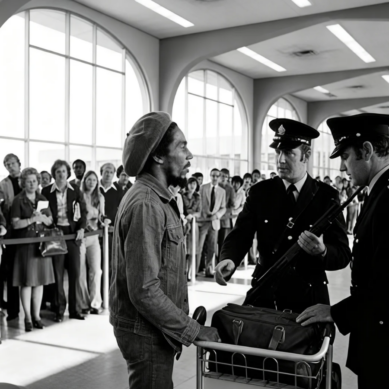
Day Bob Marley taught airport security f ‘the most powerful response to injustice is not resistance but dignity that refuses to bend’
As Bob stepped forward in the security line, an officer raised his hand, not hurried, not aggressive, just firm enough to stop momentum. Sir, step aside. Bob paused.
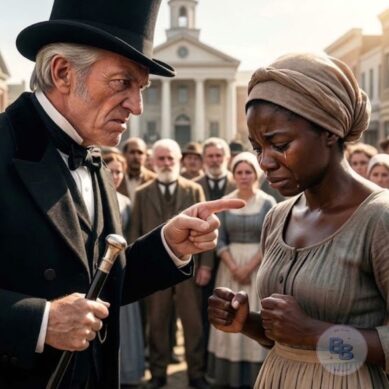
Race and class: In public Slave Master called Esther his ‘property’ but in a letter ‘more wife to me than any peace I have known’
For 14 years, she had moved through Cole House like a shadow trusted to carry trays, letters, silence, and shame. But by the time she stepped out into the hall with the banker downstairs and the hidden desk waiting in the dark, she knew the night had changed.
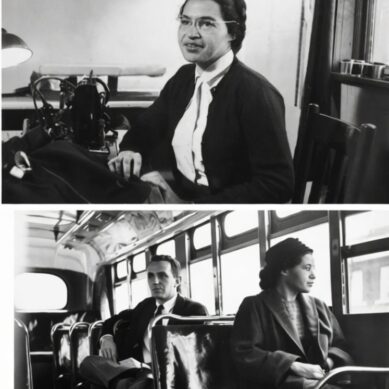
Everything wrong with America: Rosa Parks after-story is a case of Black heroism being praised in public and abandoned in private
After the boycott, Rosa Parks entered one of the hardest chapters of her life, marked by unemployment, threats, illness, displacement and financial instability. Yet even there, she kept organising, kept speaking and kept widening the meaning of freedom.
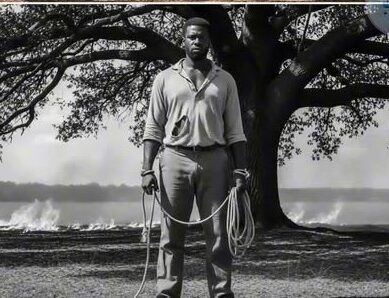
Free slave hunts his old masters: How, after fighting in war that freed Blacks from slavery, Isaiah Cole turned fury on priest and judge
Isaiah Cole ordered a meal and sat with his back to the wall, listening, calling it murder, plain and simple. A red-faced farmer was saying, “Man wasn’t popular, but he deserved a trial if he done wrong.” “What trial?” Another scoffed. “Yankees won the war. Ain’t no justice for white...
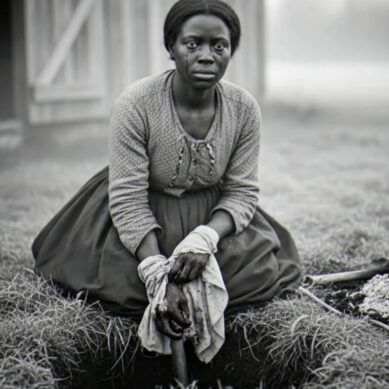
Smile that hides sorrows: Woman who proved even the most powerless can strike back, became a warning to every slave owner in America
I approached a small farm on the outskirts of Woodville, Mississippi, I had chosen it carefully during my years of accompanying Mistress Evelyn to town. small, poor looking, owned by a man I’d seen wearing the grey coat and broad-brimmed hat favoured by Quakers. Quakers opposed slavery. Not all of them would help a runaway, but some would.
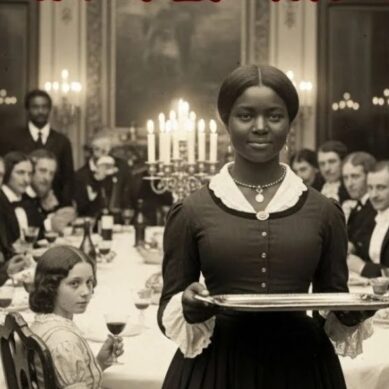
Smile that hides sorrow-1: When her innocent husband was burnt to death by his slave Master Cardwell, she planned revenge…
They accused him of stealing a silver pocket watch, a watch that Master Cordwell’s own son had lost in a drunken stupor down by the river. Samuel never touched it. He couldn’t have. He was with me that entire evening mending the fence behind the quarters.