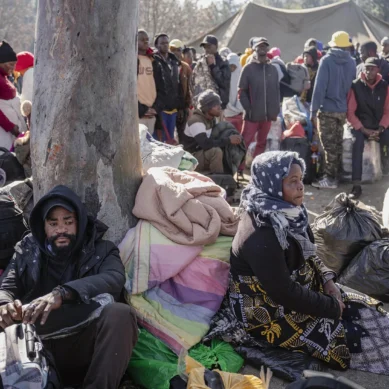



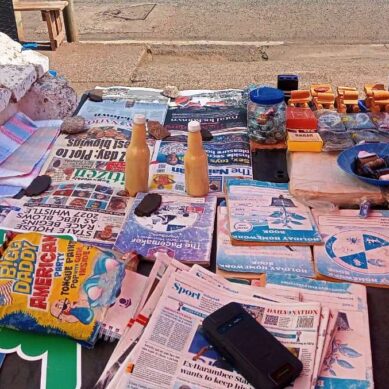
News vendor shares how shifting political interests and social media explosion have hit newspaper circulation in Kenya
The rise of smartphones, widespread internet access and the growing preference for digital news has steadily reduced demand for printed newspapers. Besides Covid-19 pandemic six years ago further disrupted businesses across the country and accelerated the shift to online information.
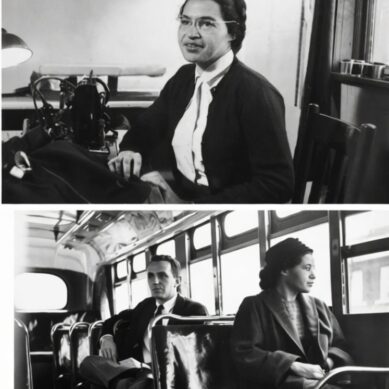
Everything wrong with America: Rosa Parks after-story is a case of Black heroism being praised in public and abandoned in private
After the boycott, Rosa Parks entered one of the hardest chapters of her life, marked by unemployment, threats, illness, displacement and financial instability. Yet even there, she kept organising, kept speaking and kept widening the meaning of freedom.
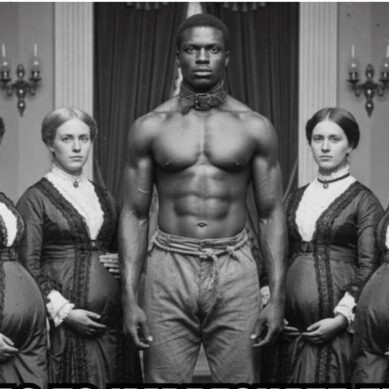
Horrors of slavery-2: How slavery contained within it seeds of its own destruction and reminder that the past lives in systems we inherit
Continued… James Brenner was a lawyer and his law office on March 28, 1847, was busy. He understood discretion. He understood that some problems couldn’t be solved through legal channels or public confrontation. So he did what men in his position did. He reached out to other husbands quietly, carefully,...
Horrors of slavery-2: Abducted into slavery with his mother and sister, Tobias vowed to revenge and did it by impregnating Whites
Tobias left that meeting and went to his quarters. He sat on his bed in the darkness and he smiled for the first time in 15 years. Because Edward Harlow had just handed him the weapon he needed, not the breeding itself. Harlow expected Tobias to stay within the enslaved population. That was the plan. That was what made it profitable.

Truth doesn’t need permission: How first Black woman to own newspaper reshaped American politics
When the founder, John Neimore, fell ill in 1912, he asked Charlotta to take over as editor. She had never run a newspaper. She had no formal journalism training. She was a Black woman in an industry dominated by white men. She said yes anyway.