



Construction industry players in Kenya have warned that the ongoing war in the Middle East is likely to significantly drive up the cost of building materials in the country.
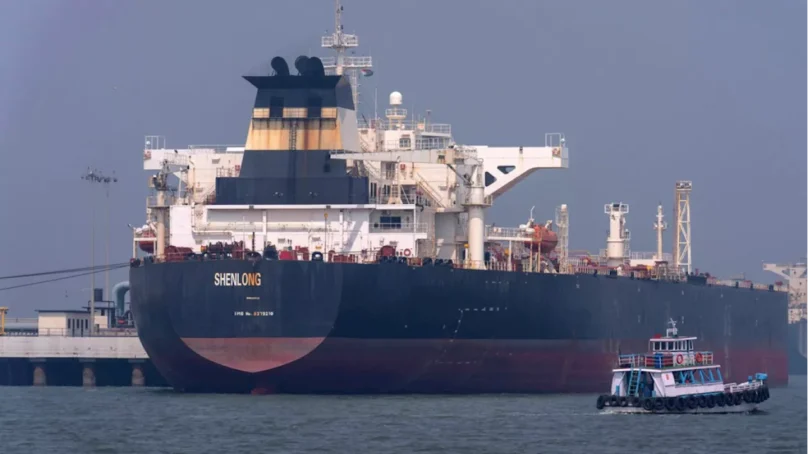
The warnings come amid growing disruption to global cargo freight operations, with airlines and shipping companies reducing services and increasing charges across routes affected by the conflict.
The situation is a result of a month-long war pitting Iran against the United States and Israel over uranium enrichment by the Islamic Republic, leading to damage to critical steel and aluminium supply chains.
The situation has been worsened with Iran’s decision to force closure of the Strait of Hormuz, a critical transport corridor that has disrupted the shipping of oil and energy sources, as well as of critical supplies for industries.
Industry players say these developments are likely to push up the cost of imported construction materials, placing additional pressure on a sector already grappling with a host of domestic challenges.
The concerns were aired during the Mabati Rolling Mills (MRM) annual convention held in Naivasha, where the high cost of electricity, the proliferation of counterfeit goods, and the prevalence of unqualified practitioners were identified as the principal challenges confronting the industry.
MRM Chief Executive Officer Albert Sigei acknowledged that the Middle East conflict was a global issue with far-reaching consequences, noting that virtually every sector of the economy had felt its effects as the warring nations continued to engage in hostilities.
He was, however, keen to reassure stakeholders that the company had taken proactive steps to maintain an adequate supply of raw materials required for the production of its construction products.
“If the conflict continues, it will definitely affect the cost of construction materials. However, we currently have sufficient stocks and strategic plans in place to address any potential shortages,” Sigei said.
Speaking to the press on the side-lines of the convention, which also served as a celebration to mark 25 years of the company’s Dumuzas roofing sheets brand, Sigei expressed concern over the country’s high electricity tariffs.
As an industry that is a heavy consumer of electricity, he said, high power bills had been steadily increasing the company’s operational costs and constraining its production capacity.
“We have embarked on the process of installing solar panels across our plants, minimising wastage, and increasing innovation as part of our broader strategy to address high operational costs,” he said.
On the issue of counterfeit building materials, Sigei noted that industry stakeholders had raised the matter with various government agencies over many years, warning that sub-standard products posed a serious risk to the structural integrity of buildings across the country.
He added that the combination of counterfeit materials and poor workmanship had been a contributing factor to the troubling number of building collapses reported in different parts of Kenya in recent times.
Marking the company’s 25-year milestone, Sigei highlighted MRM’s contributions beyond the commercial sphere, noting that the firm had supported families, students and institutions – including education and healthcare.
“In the 25 years that we have been producing Dumuzas roofing sheets, we have made considerable strides in innovation, improved industry standards and invested meaningfully in the communities in which we operate,” he said.
Architect Pius Wambua echoed the concerns surrounding building collapses, attributing the rising incidences to poor workmanship and the failure of regulatory authorities to enforce existing laws and building codes robustly.
“The issue of collapsing buildings is deeply troubling, and whilst each case is unique, the quality of construction materials, design integrity, and professional standards are all critical factors,” Wambua said.
- A Tell Media / KNA report / By Erastus Gichohi


About author