


Inside Moon’s drug empire: Unification Church founder built global empire from fishing and gun manufacturing
Dora Irrazábal, a prosecutor who led the probe into the blaze, said the townspeople and church management were “at war” when she arrived in Puerto Casado. She said Lorenzo Myung, whom she recalled as an “aggressive” man, accused locals of stealing church property but provided no evidence. Locals, meanwhile, accused Irrazábal of being a church stooge after she flew in on a church plane.
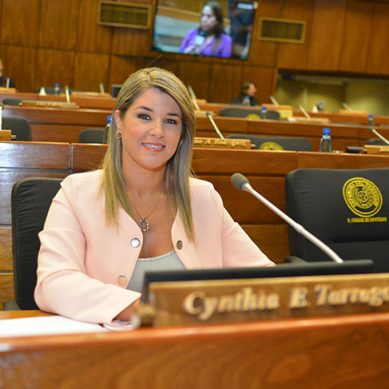
FBI arrest of Paraguayan TV queen and politician exposed extent of Unification Church’s role in drug trafficking, money laundering
Last November, Alvarenga, Tarrago’s accomplice, was sentenced to two years of US probation for running an unlicensed money transmitting business. Months later, on March 29, he was arrested in Asunción, accused by Brazilian law enforcement of leading an outfit that shipped at least 17 tonnes of cocaine to Europe over two years. He is in jail awaiting extradition to Brazil.

How Korean Moon’s Unification Church became largest landowner in Paraguay and established world’s largest narcotics empire
The South Korean religious organisation founded by self-proclaimed messiah Sun Myung Moon bought a remote piece of land in Paraguay about a quarter century ago, hoping to create an oasis for followers. Now the area is a hub for global drug trafficking.
Filthy wages: Why crypto’s promise as a means of dancing around banking system crashed
Without a banking partner, crypto firms cannot accept dollar deposits in return for services, or manage the conversion of crypto to dollars for clients, or pay their employees and vendors – they cannot function. The viability of the plan to develop a parallel financial system free of intermediaries is dependent, therefore, on a rapidly disintegrating truce with those same intermediaries: the banks and payments firms.

Blacklisted by banks and payment apps, adult industry gets door slammed on it by cryptocurrency
In the US, full-service sex work (also known as prostitution) is illegal in every state but Nevada, but pornography and online sex work are legal under the First Amendment. Irrespective of this distinction, banking access has been a problem for the entire sex work community since at least the 1960s, says Mike Stabile, director of public affairs at the FSC, and has only become more acute.
Rwanda genocide had less to do ethnic rivalry, more to do with Tutsi lineages scramble for control of state
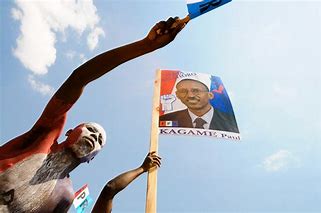
Critics of this government assert that the pattern of scapegoating continues. But now, those threatening the regime are Hutu associated with the former Rwandan army (the FAR) and the Interahamwe militias. This time, the power of the Rwandan military has expanded; the scapegoats are not only those within the country but potentially all those living in areas where the FAR or Interahamwe are known or believed to be operating (including, apparently, refugees in the Democratic Republic of Congo).

Harvard psychologist zeroes in on nine phrases used every day that signal emotional resilience
Resilience is associated with a basic acceptance that life isn’t always fair, and that we all experience emotional hardships. Accepting this truth helps people to not take things as personally when undesirable events happen.

Vandana Shiva: Bill Gates and Silicon Valley behind push for ‘farming without farmers, food without farms’
On the latest episode of Russell Brand’s “Stay Free,” scholar, environmental activist and food sovereignty advocate Vandana Shiva, discussed food fascism, the power of “philanthropy,” digital enslavement and how people can free themselves from this system.
How 1958 Tutsi aristocracy arrogant response to Hutu push for equity sowed seeds of the 1994 Rwanda genocide
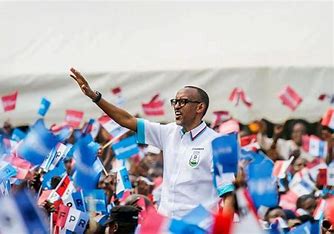
Moreover, Rwanda’s European colonial rulers were intent upon preserving what they saw as “traditional” structures of power in which Tutsi aristocrats ruled over Hutu peasants. This model, based on colonialist interpretations of monarchical structures in the centre of the country, was not accurate even for central Rwanda, much less for regions on the periphery.

How handwashing, after stiff resistance in Europe, became a game-changer in saving children
Why did his ideas fail to catch on? That question is at the core of Dr Semmelweis, a fascinating play produced by the UK National Theatre, and created by the writer Stephen Brown with the actor Mark Rylance, who plays Semmelweis. They powerfully capture the personal dramas that drove him to make his discoveries, the barriers to new ideas that were erected by ingrained beliefs and professional pride, and the ultimate tragedy made inevitable by the doctor’s personal flaws.