

World Trade Organization (WTO) warned on Tuesday that failure to modernise the global trading system could leave global GDP as much as 10 per cent lower than under a strengthened multilateral system, as trade policy faces its most serious and sustained disruption in decades.
The warning came in the WTO’s annual flagship publication, World Trade Report 2026: A Critical Juncture for the World Trading System, which examines the achievements of the multilateral trading system over the past 80 years and the challenges it now faces.
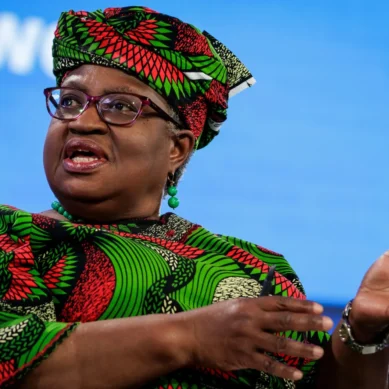
“The multilateral trading system has delivered enormous benefits over the past 80 years, helping to create a more integrated and resilient global economy,” WTO Director-General Ngozi Okonjo-Iweala said.
About 72 per cent of global merchandise trade still takes place under the WTO’s most-favoured-nation terms, she said.
“The global trading landscape has changed significantly but the founding logic of the system, that all economies are better off cooperating rather than acting unilaterally, remains as relevant today as ever,” Okonjo-Iweala said.
She said WTO members are actively discussing reforms and recognize that “the status quo is not an option.”
The report models three possible futures for the global trading system. Under a strengthened multilateral framework, global GDP could rise 2.9 percent and exports 17.9 per cent by 2050 compared with the baseline trajectory. The other two scenarios envision an erosion of multilateral trade rules.
In a “geo-fragmented world” where trade cooperation is organised around geopolitical blocs, global GDP could fall 5.1 per cent and exports 18.6 per cent, while in a world where multilateral cooperation is replaced by a network of free trade agreements, GDP could fall 6.9 per cent and exports 26.9 per cent.
The difference between strengthened multilateral cooperation and erosion of the system could amount to as much as 10 per cent of baseline global real GDP, WTO Chief Economist Robert Staiger said.
“If the status quo is unsustainable, as many members believe, this illustrates the potential cost of inaction on reform,” he said. The report noted that over eight decades, the system has helped lower trade barriers, expand global trade nearly 50-fold and create a more integrated, rules-based global economy.
- A Tell Media / Xinhua report

About author