


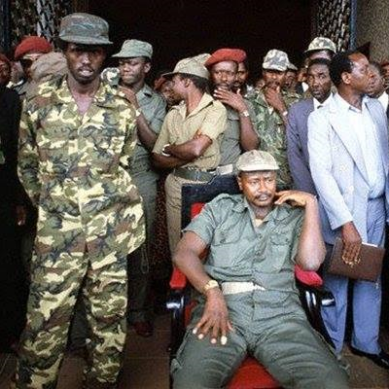
Museveni’s architecture of erasure: How Uganda president has disempowered indigenous people since coming to power in 1986
For four decades, a singular political project has defined the history of the territory once known as the British Uganda Protectorate. It is not a project of liberation, development or unity as its proponents claim. It is a project of erasure.

Same forest, different monkeys: Understanding Uganda’s stalled independence from colonialism
These fifteen nations – Buganda, Bunyoro, Toro, Ankole, Busoga, Bukedi, Bugisu, Teso, Lango, Acholi, Alur, West Nile (containing multiple ethnicities), Karamoja, Kigezi and Sebei – each possessed sophisticated systems of governance, distinct cultural identities and established mechanisms for maintaining peace and security among their peoples. The British did not come to develop these nations; they came to conquer, control and exploit them.
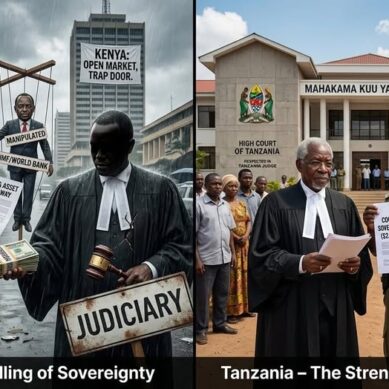
Sovereignty gap: Explaining Kenya’s ‘prostitution’ vis-à-vis Tanzania’s patriotism and Uganda’s nonchalance
In contrast, Kenya’s legal and executive arms are more focused on “market-friendly” optics than protecting the Kenyan citizen. From the East African Development Bank (EADB) disputes to the auctioning of local assets under foreign rulings, the system feels less like a shield for the people and more like a bridge for neo-colonial interests.

Why frustrated Kenyan public sometimes sees legal profession as a constituency of brats, thieves
Why don’t lawyers want to work for the government and then supplement their income from a private practice like any other career people? Architects do that; nurses do that. Even doctors and teachers. Why do they feel they should be given preferential treatment?
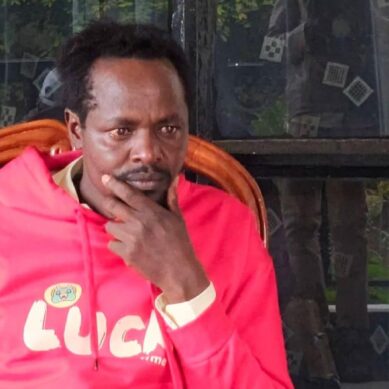
Fears over safety and whereabouts of Narok community land activist rise three weeks after altercation at funeral gathering
Tensions reportedly heightened when former Elkerin Member of County Assembly Daniel Langat addressed the gathering and in his speech regarding individuals who had opposed the MP while he was alive.

Still-born democracy: Expanding fighting in Jonglei state signals South Sudan’s power-sharing collapse
Kiir later dismissed Bol Mel and reappointed James Wani Igga as second vice president, but political insiders say that decision also caused frustration among certain sections of the fractious ruling party. Other controversial moves by Kiir include last year’s dismissal of powerful intelligence chief Akol Koor Kuc; the appointment of Kiir’s daughter, Adut Salva Kiir, as a special advisor; and a recent anti-corruption drive viewed as politically motivated.
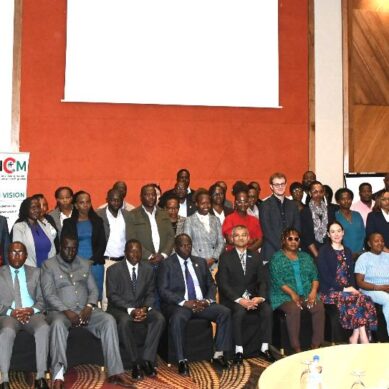
Kenya develops mechanisms to address safe, orderly and regular migration in the country, Africa
Principal Secretary for Immigration and Citizen Services Belio Kipsang while reaffirming the government’s commitment to the GCM global agenda, said Kenya has played a crucial role in the development of the GCM by strengthening and leading the way in migration governance.
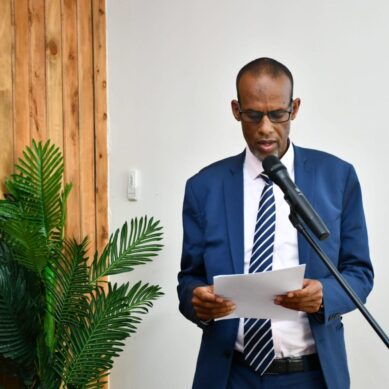
Kenya transitions from ‘complex’ and commonly used Standard English Braille to Unified English Braille
The Technical Working Group will guide the implementation of the Unified English Braille system, including training of teachers, development of learning materials and coordination with stakeholders in the education sector.

Neo-slavery: Ugandan court commits woman to prison for breaking promise to marry teacher who financed her education
A woman in western Uganda has been sentenced to six months in prison after failing to honour a promise to marry a man who financed her education with the understanding that they would eventually wed. The woman, Fortunate Kyarikunda, was jailed after failing to comply with an earlier court order...

Kenya’s former governing Jubilee Party rules out zoning, vows to field candidates for all electoral positions in 2027 General Election
In a March 6 statement, the ministry said more than 500,000 Kenyan nationals reside and work in the Middle East and that emergency response measures have been activated. Kenya has reported no confirmed casualties among its citizens in the conflict to date.