



Win for pastoralist women in Laikipia as they turn invasive cactus plant into biogas
Research findings by Chuka University in 2020 titled Cactus invasion: A Threat to Biodiversity and Food Security shows that invasive cactus occupies 17,000 acres of land in Naibunga conservancy in Laikipia and invades at least two kilometres square per year.
Irrigation: Residents question Machakos County’s plan to replace vital water source for agriculture with commuter bus-park
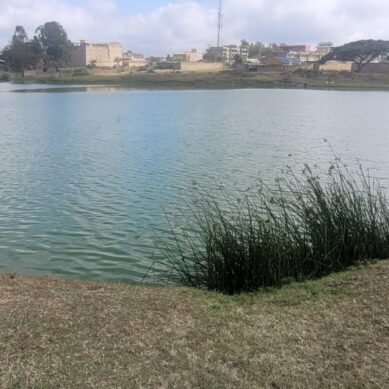
Speaking to the media in Tala town, 70-year-old resident, Dr Charles Kyalo, recalled that Silanga Dam was constructed between 1945 and 1950 under the leadership of Chief Uku wa Mukima. He said the dam was built through communal effort with men and women mobilised to clear the riverbed and lay a foundation that has sustained generations.
Big profits, big pollution: study finds top-earning companies release the most toxic waste
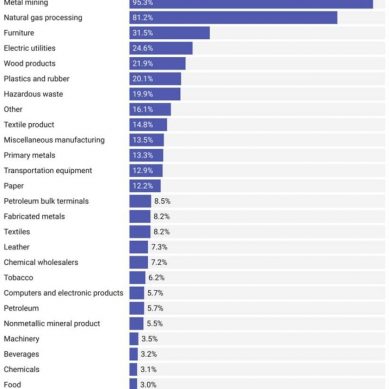
A 1986 federal law requires companies that are in certain industries employ more than 10 people, and make, use or process significant amounts of certain toxic or dangerous chemicals to tell the government where those chemicals go after the company is done with them.
Lake Victoria pollution at tipping point as study exposes how 44 towns in East Africa poison world’s second largest freshwater mass
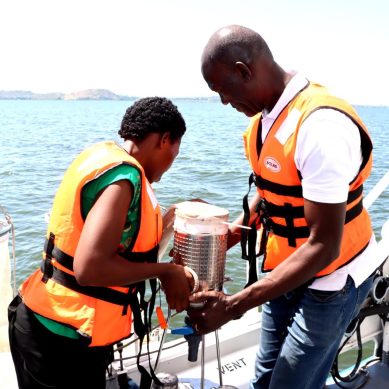
Speaking during the release of the findings in Mwanza Tanzania, Eng Otoung, said the study provides a layered snapshot of the lake’s physical, chemical and biological condition.

Imminent crude oil production by Uganda forebodes misery for the poor as Kampala follows path taken by Nigeria
The EACOP starts in Kabaale, Hoima District and traverses 296 kilometres in Uganda through 10 districts: Kikuube, Hoima, Kakumiro, Kyankwazi, Mubende, Gomba, Sembabule, Lwengo, Rakai and Kyotera) affecting 25 sub-counties and 171 villages.by the East African Crude Oil Pipeline (EACOP) – a 1,443 kilometres pipeline to the port of Tanga in Tanzania to be processed and sold to the world markets.