


Public Benefit Organisations (PBOs) have been advised to explore alternative financing mechanisms, including income-generating activities, to enhance and strengthen financial independence and reduce vulnerability to fluctuating donor funding.
According to the newly launched Public Benefit Organisations Sector Report 2024/2025, PBOs received Ksh246.7 billion, marking an 8 per cent increase from the Ksh210 billion reported in the previous financial year.
The report reveals that the sector remains heavily dependent on international funding, with North America contributing 45.9 per cent and Europe accounting for 30.7 per cent of the total funds received.
During the reporting period, PBOs spent Ksh156.26 billion ($1.21 billion) on project activities, with Ksh135.31 billion ($1.1 billion) channelled into critical sectors such as health, education, children’s services, environment, relief and disaster management, water and sanitation and agriculture, underscoring their significant contribution to national development.
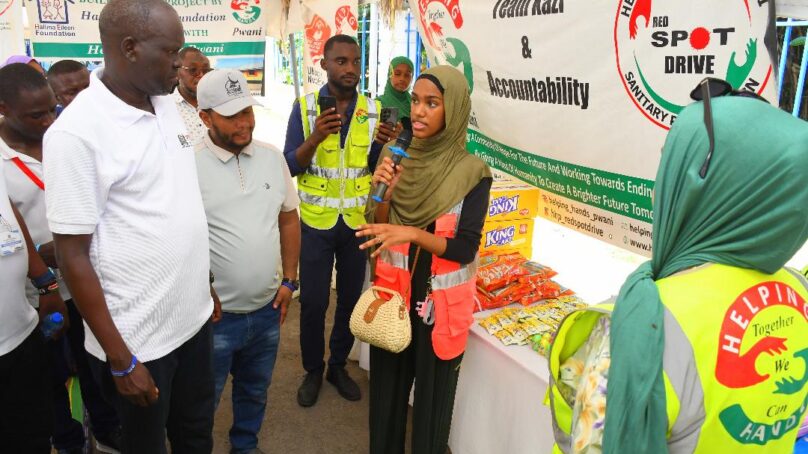
Public Benefit Organisations Regulatory Authority (PBORA) Director General Laxmana Kiptoo, speaking during the marking of PBO Week in Mombasa, said the sector must embrace innovation amid declining donor support.
“All of us are aware of what happened in America, and this sector was affected. We are urging the PBO sector to be more creative, to initiate income-generating activities. We are also calling upon donor communities and capable individuals to step forward and support these organisations,” said Dr Kiptoo.
He emphasised that PBOs continue to play a vital and transformative role in the country’s development by reaching vulnerable populations and implementing impactful projects across various sectors.
The authority is also utilising PBO Week to educate stakeholders on the risks of terrorism financing as Kenya intensifies efforts to exit the Financial Action Task Force (FATF) grey list. The country was grey-listed in February 2024 due to concerns over weak measures to combat money laundering and terrorist financing.
Dr Kiptoo noted that the authority is committed to ensuring Kenya is delisted by leveraging the PBO Act, 2013 and the PBO Regulations 2026.
“We now have the new Act and the regulations but most importantly, we are focusing on sensitising the non-profit organisation (NPO) sector, which has been identified as vulnerable. We have conducted a national risk assessment and are now adopting a risk-based approach,” he said.
He clarified that there is no blanket condemnation of the PBO sector, adding that targeted awareness is key to mitigating risks.
“In the country, we have established a multi-sectoral NPO working group comprising the authority, civil society organisations and other agencies. This team will be at the coast from Monday and will visit Mombasa, Kilifi, and Kwale to sensitise the sector on terrorism financing risks,” he stated.
This year’s PBO Week is being held under the theme: “A New Dawn in Action: Celebrating Impact, Connecting Voices, Collaborating for Transformation under the PBO Act,” marking the full implementation of the PBO Act 2013 and PBO Regulations 2026.
The event is a historic milestone as the Act assented to in January 2013 remained dormant for over 11 years before being operationalised in May 2024. The transition heralds a new era, with NGOs required to formally transition into PBOs by May 13, 2026, signalling a transformative shift in the governance and operations of the organisations.
During PBO Week 2026, PBORA officially launched the sector report alongside the PBO Regulations 2026, which were recently approved by the National Assembly.
- A Tell Media / KNA report / By Sadik Hassan


About author