



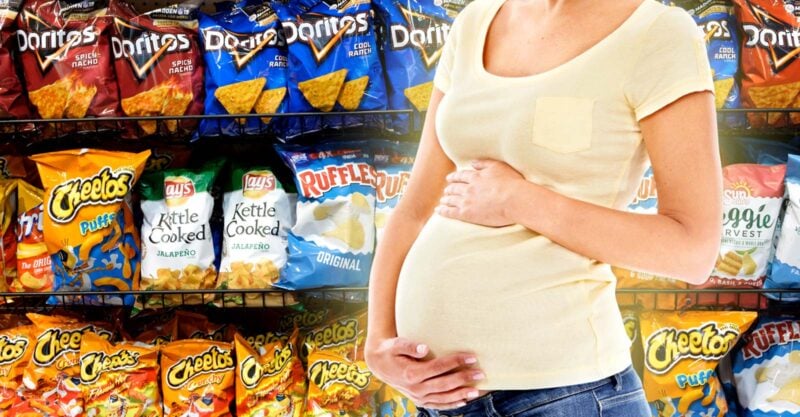
Ultra-processed foods (UPFs), now a dominant part of the American diet, may raise the risk of serious pregnancy complications, including pre-term birth and blood pressure problems, according to a large US study.
Researchers found each 10 percentage-point increase in UPF calorie intake during pregnancy was linked to a roughly 11 per cent higher risk of preterm birth (before 37 weeks) and 5 per cent higher risk of high blood pressure disorders, such as preeclampsia, the leading causes of illness and death for mothers and new-borns in the US
The analysis of more than 6,600 pregnancies, published in February in Nutrients, adds to mounting evidence that these products harm maternal and foetal health.
In a separate study, increasing UPF intake from the second to third trimester was linked to a higher risk of preeclampsia among 1,221 high-risk pregnant women.
“A growing body of evidence links higher ultra-processed food intake to worse health outcomes, including in vulnerable populations such as pregnant women and children,” said Mingyu Zhang, an epidemiologist and assistant professor of medicine at Harvard Medical School.
“In pregnancy, this is especially concerning because it is a sensitive developmental window during which maternal diet may influence placental function, foetal growth and the risk of complications such as those seen in this study.”
The study also comes amid a broader shift in how UPFs such as packaged snacks, sugary drinks and frozen meals are understood – not just as unhealthy but as products developed and engineered by corporations, including the tobacco industry, to drive overconsumption.
Diets high in UPFs are linked to obesity, Type 2 diabetes, cardiovascular disease, infertility, dementia, Parkinson’s disease, cancer, behavioural issues in young children and higher overall mortality.
UPFs, formulated to be tasty, convenient and easy to overconsume, are heavily marketed, widely available, and often cheaper than healthier options. They typically contain ingredients rarely used in home cooking, such as hydrogenated oils, protein isolates and additives like artificial sweeteners, dyes and emulsifiers.
Roughly 70 per cent of packaged foods fall into this category and children get more than 60 per cent of their calories from them.
The February study is based on data from the Nulliparous Pregnancy Outcomes Study: Monitoring Mothers-to-Be, one of the largest and most detailed US pregnancy cohorts. Conducted between 2010 and 2013, it followed more than 10,000 first-time pregnant women carrying a single foetus enrolled between 6 and 14 weeks of pregnancy.
For this analysis, researchers focused on 6,693 participants who completed a food frequency questionnaire covering about 120 foods and beverages consumed during the three months before conception.
Participants ranged in age from 13 to 45, with a median of 28. About 78 per cent identified as White and 16 per cent as Hispanic. They excluded those whose pregnancy ended before 20 weeks.
People were not included if they had repeated previous miscarriages, a foetus with severe abnormalities, certain genetic conditions, a surrogate pregnancy or if they planned to end the pregnancy. Participants with missing dietary data and extremely low or high reported calorie intake were also excluded.
Researchers used a US Department of Agriculture database to estimate calorie intake and then classified foods using the NOVA food classification system, which groups foods based on how and why they are processed before being bought or consumed.
Instead of dividing participants into simple “high” or “low” intake groups, they analysed UPF consumption as a continuous measure, tracking how risk changed for every 10 percentage-point increase in calories.
Before adjusting for other factors such as age and body mass, initial analyses showed higher UPF intake among those who experienced several complications.
Participants with preterm birth, hypertensive disorders of pregnancy, small-for-gestational-age infants and foetal or neonatal death got a higher share of daily calories from UPFs than those without these outcomes.
“On average, more than half of participants’ daily energy intake was from UPF and higher UPF intake correlated with several adverse pregnancy outcomes,” the researchers wrote. Earlier studies also suggest that about half of pregnant women’s daily diet comes from UPFs.
In addition, the researchers found differences across groups. UPF intake was lower among participants with higher physical activity levels and significantly higher among those with pre-existing conditions such as obesity or chronic hypertension.
Scientists are still working to understand the biological mechanisms behind the link between UPFs and disease. Possible explanations include inflammation, hormone disruption, deficiencies in nutrients needed for foetal development and increased cardio-metabolic risk. UPFs could also alter gut bacteria, the researchers say.
“This may drive persistent inflammation that contributes to an increased risk of adverse pregnancy outcomes, and perhaps even lasting epigenetic modifications in the foetus,” they say.
The study has limitations. Dietary data were collected months after the time period being assessed, raising the possibility of recall bias. Some participants were excluded due to missing data, and the low rate of gestational diabetes in the cohort may limit how broadly those findings apply.
Although the NOVA scale is a validated tool, it broadly classifies all UPFs into a single category, the researchers note. The authors argue that broad changes like better access to affordable, healthy food and clearer labelling are needed to improve public health.
Even as food manufacturers push back against regulation, health advocates are calling for policy tools used to reduce tobacco-related harms, including marketing limits for children, taxes, stronger labels, school and hospital restrictions, and litigation.
A federal definition for UPFs is expected as early as April, along with potential regulations, including front-of-pack nutrition labels. Meanwhile, a growing number of states are introducing legislation that targets UPFs or their ingredients, including food additives, especially in schools.
California, for example, passed a law phasing UPFs out of school lunches and is currently considering a first-in-the-nation “California Certified” seal for foods that aren’t ultra-processed.
Louisiana last year enacted legislation requiring labelling of any food products sold in the state that contain any of the more than 40 specified ingredients and banning certain ingredients, such as Red Dye No. 3, propyl-paraben and aspartame, from school meals.
- A Tell Media report / By Pamela Ferdinand / Source: US Right to Know


About author