As Kenya marks Men’s Mental Health Awareness Month, mental health advocates are raising concern over the growing burden of depression and suicide among men, many of whom suffer in silence due to stigma and societal expectations.
According to the Kenya National Bureau of Statistics (KNBS), men account for 56.9 per cent of diagnosed mental health disorders in the country and more than three-quarters of suicide cases, yet they remain less likely than women to seek professional help.
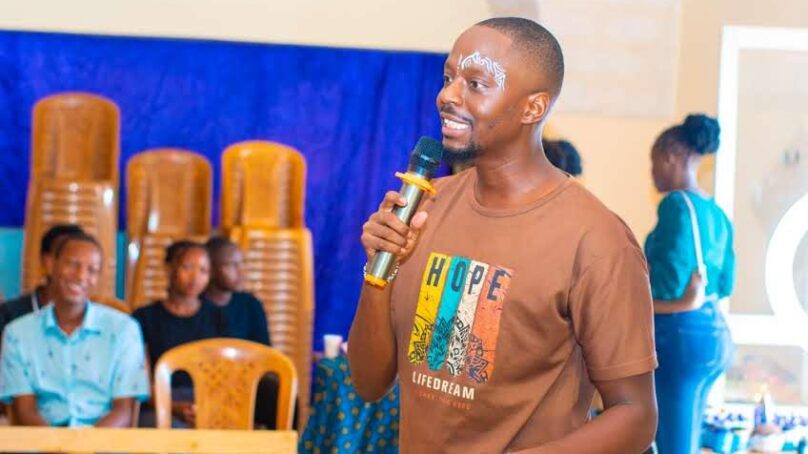
For multidisciplinary creative entrepreneur and spoken word poet Daniel Nyundo, the statistics reflect a painful reality he knows all too well. For years, Nyundo appeared to have everything under control. A certified project and brand manager, event planner and seasoned poet, he was constantly immersed in creative work and public engagements.
Behind the busy schedule, however, was a battle with depression that drove him into isolation, strained personal relationships and nearly consumed him. It was during the Covid-19 pandemic that a practising psychologist first suggested he could be suffering from depression.
“I don’t have a good recollection of the very first time, but I know it was during Covid that I was first diagnosed with depression by a practising psychologist,” he says.
The most difficult period, he recalls, was before the diagnosis when he sensed something was wrong but could not explain it.
“That uncertainty, when you know something is off but you cannot tell what it is, was the hardest part,” he says.
As the condition worsened, he withdrew from friends, family and social interactions
“My depression had me in isolation and social withdrawal. I pushed people away and disengaged from almost every social interaction, even phone calls,” he says.
The emotional distance eventually contributed to the collapse of a romantic relationship, further deepening his sense of loneliness. Despite the challenges, Nyundo credits supportive friends, mentors and his background in mental health training for helping him recognize the warning signs and seek assistance.
“I am grateful that I have people I can reach out to when I need help. The mental health training I received also helped me identify when things were not okay emotionally,” he says.
His turning point, he says, came through poetry. Rather than keeping a journal, Nyundo channelled his emotions into writing verses, using imagery and metaphors to express feelings he struggled to articulate openly.
“Poetry allowed me to sit with myself and process my emotions. Through it, I learnt that it is okay to experience different emotions and that they can come with varying intensities,” he says.
What began as a private coping mechanism gradually became a tool for healing and self-discovery. The poet says creative expression helped him better understand himself while also enabling him to connect with the experiences of others.
“As an empath, I realised I could feel what other people were going through and sometimes express it for them,” he says.
In 2022, he transformed his personal writings into a public platform for mental health advocacy, producing creative works focused on depression, emotional wellbeing and suicide awareness.
Since then, he has staged annual productions that use spoken word and performance art to spark conversations around mental health, particularly among men. The response, he says, has been overwhelming.
“Many people tell me I have been able to put into words emotions they have battled with silently for years,” he says.
Nyundo believes art provides an avenue for discussing difficult subjects that many people would otherwise avoid.
“Art can open doors where ordinary conversations sometimes cannot. The stigma is still there, but there is definitely less resistance than before,” he says.
Among the myths he seeks to challenge is the notion that men are somehow immune to depression or that seeking help is a sign of weakness.
“People still believe that real men cannot suffer depression. That is simply not true,” he says.
Instead, he urges men to seek support from mental health professionals and trusted members of their communities.
“We should not run away from depression. We should seek help from professionals and from people around us who are kind and supportive,” he says.
While recovery is often a long journey, Nyundo insists healing is possible.
“There is healing. Wholesome living exists, but it takes effort and support from more than one person,” he says.
He believes strong support systems are critical in helping individuals navigate mental health challenges.
“It takes a village to heal an individual. We need communities where people can be vulnerable, find support and begin their healing journey.”
As awareness campaigns continue throughout June, Nyundo hopes his story will encourage more men to speak openly about their struggles and seek help before reaching a crisis point.
“Please reach out for help. Do not suffer in silence,” he says.
His message is simple but powerful: “It is okay not to be okay. Let us build communities where people can be honest about their internal struggles and find the support they need.”
For Nyundo, poetry became more than an art form. It became a lifeline, one that helped him confront depression, rediscover hope and turn personal pain into a message of healing for others facing similar battles.
- A Tell Media / KNA report / By Dorothy Pamella


About author