


Ministry of Investments, Trade and Industry has initiated reforms to enhance Kenya’s national accreditation system through the Draft Kenya Accreditation Service (Amendment) Bill, 2025, the Kenya Accreditation Service (General) Regulations, 2025, and the Kenya Accreditation Service (Fees) Regulations, 2025.
The proposed instruments aim to align the country’s accreditation framework with international best practices, reduce technical barriers to trade and support Kenya’s participation in the East African Community (EAC), African Continental Free Trade Area (AfCFTA) and other regional and global trade arrangements.
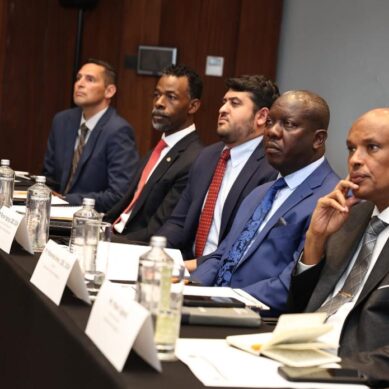
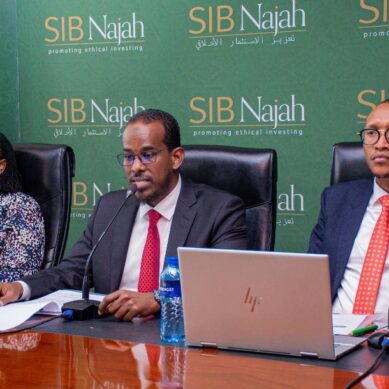
Speaking during a public participation forum at the Technical University of Mombasa, Director of Industries Stanley Koske Sawe said the reforms seek to build a credible, transparent and globally aligned accreditation system essential for unlocking trade opportunities, strengthening value chains, and enabling Kenyan enterprises, particularly micro, small and medium enterprises, to compete effectively in regional and continental markets.
Sawe explained that the proposed changes will strengthen the legal and institutional framework for accreditation, provide clarity in processes and governance, establish a transparent fees structure and promote mutual recognition to facilitate cross-border market access.
He underlined the importance of public participation as a constitutional requirement under Articles 10 and 118 of the Constitution of Kenya that promotes transparency, inclusivity and accountability in governance.
“The quality, legitimacy and effectiveness of our laws and regulations are greatly enhanced when informed by the views and expertise of stakeholders at the frontline of production, trade and service delivery,” Sawe said.
He told participants to interrogate the provisions, share sector-specific insights on regional trade experiences, identify areas for refinement and offer evidence-based recommendations to improve the drafts.
Manager in charge of Inspection and Verification at Kenya Accreditation Service (KENAS) Abraham Wekesa outlined key changes in the proposed instruments.
He noted that the Amendment Bill removes non-operational structures such as an advisory committee and aligns tribunal provisions with judicial requirements. The General Regulations introduce operational procedures, including mechanisms to ensure trainer competence in conformity assessment and enhanced collaboration with regulators.
Wekesa noted that the reforms introduce enforcement measures, including fines for non-compliance, and a minimal levy to support implementation and resource sustainability. On fees, he said the current structure, gazetted in 2009, remains outdated despite expanded mandates under recent laws. The proposed adjustments address inflation, increased responsibilities and alignment with regional peers, while remaining competitive.
“The main objective of accreditation is to facilitate trade. Accredited reports from our laboratories and inspection bodies enable access to markets without technical barriers,” Wekesa said, citing examples such as tea exports inspected and tested in Mombasa.
He highlighted KENAS’s regional role, which among others, serving clients in Tanzania, Uganda, Rwanda, Sudan, Gambia and Nigeria in its position as a mutual recognition arrangement member at the African level.
Manager Legal Services and Cooperation Secretary at KENAS Walter Nyamwaya said the amendments address implementation gaps since the 2019 Act. It imposes limited sanctions for non-compliance by conformity assessment bodies.
General Regulations codify fragmented procedures into a unified framework and introduce regulation of trainers to ensure quality training for accreditation implementers.
The Fees Regulations propose modest increases to sustain operations amid inflation and expanded scope, preventing system collapse that could impact regional trade.
- A Tell Media / KNA report / By Sitati Reagan


About author