
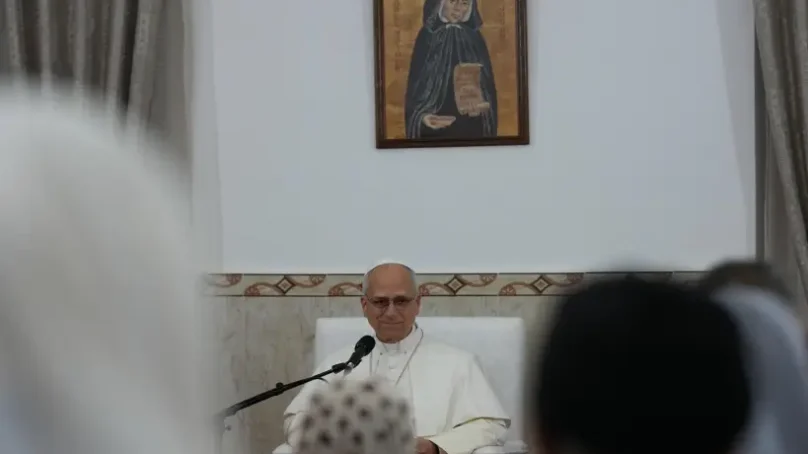
English-speaking separatists in Cameroon say they will pause fighting for three days to allow “safe travel” for Pope Leo XIV’s visit on Wednesday to the central African country.
The Unity Alliance, which includes several separatist groups, said in a statement late on Monday the pause reflects the “profound spiritual importance” of the visit and is intended to allow civilians, pilgrims and dignitaries to travel safely.
Cameroonian authorities did not immediately respond to requests for comment. Government Spokesperson René Sadi said last week “all necessary arrangements have been made” to ensure a successful visit.
Cameroon’s western regions have been plagued by fighting since English-speaking separatists launched a rebellion in 2017 with the stated goal of breaking away from the French-speaking majority and establishing an independent state.
The conflict has killed more than 6,000 people and displaced over 600,000 others, according to the International Crisis Group.
Pope Leo, who began his 10-country Africa is in Algeria and is set to arrive in Cameroon’s capital, Yaoundé on Wednesday.
He will lead a “peace meeting” on Thursday in the city of Bamenda, the epicentre of the conflict between separatists and government forces.
A spokesperson for the Unity Alliance Lucas Asu said in the statement the pause in fighting “reflects a deliberate commitment to responsibility, restraint and respect for human dignity, even in the context of ongoing conflict.”
He said the pope’s visit should remain “spiritual” and not be seen as endorsing any political authority.
Although the number of deadly attacks by separatists has decreased in recent years, the conflict shows no sign of abetting. Peace talks with international mediators have stalled, with both sides accusing each other of acting in bad faith.
The conflict is rooted in Cameroon’s colonial history, when the country was divided between France and Britain after World War I. English-speaking regions later joined French Cameroon in a 1961 U.N.-backed vote, but separatists say they have since been politically and economically marginalized.
- An AP report


About author