
A non-governmental organisation, Friends of Lake Turkana (FoLT), northern Kenya, is demanding urgent government action following three separate incidents that resulted in maternal death, killing and rape of three women in Turkana County.
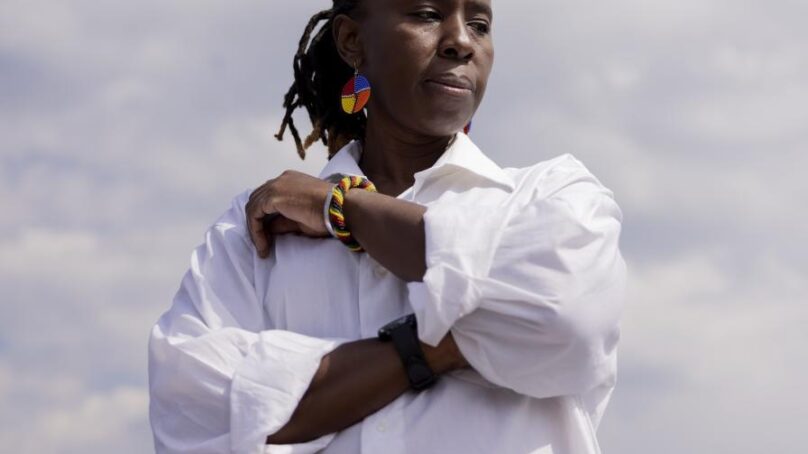
Director and founder of Friends of Lake Turkana Ikal Ang’elei says the incidents have exposed critical failures in maternal healthcare, gender-based violence response and access to justice in Turkana County. Dr Ang’elei was of the view that the incidents are not isolated tragedies.
“They are the predictable outcomes of systemic failures in the state responsibility, resource allocation, and service delivery,” she said.
In the first incident, the organisation cited the preventable death of Aurien – a pastoralist woman who died during birth.
Aurien died on February 8, 2026, while giving birth after failing to access timely medical care. She was part of the wider FoLT community. She was a pastoralist woman who opened her home and her life to FoLT.
“Pastoral women in Turkana are failed by gaps in healthcare, by unequal investment and by systems that do not reach them when they need them most. This is not just a service delivery issue; it is a question of justice, equality, and whose lives are valued. No woman should face a higher risk of death simply because of where she lives,” Dr Ikal observed.
Two additional cases highlight systemic failures in protection and justice: Amuria Ekeno, a resident of Lokipoto in Letea Ward, Turkana West Sub County was killed by her husband in Karamoja in early February this year.
Director and founder of Friends of Lake Turkana Ikal Ang’elei says the incidents have exposed critical failures in maternal healthcare.
In Katelemot, Letea Ward in Turkana West Sub-County, one woman was raped and another was sexually harassed. These cases were reportedly handled informally, with the perpetrators providing 10 goats as compensation, shared between the two women.
FoLT is withholding the women’s identities to protect their families’ safety and dignity.
“This reduction of femicide and sexual and gender-based violence to a handful of goats and cows is deeply troubling,” she said.
To Dr Ikal, “It reflects not only the lack of formal systems but also the extent to which survivors are left without recourse, protection and a recognition of the gravity of the crimes committed against them. These are not disputes to be settled. They are women whose lives have been taken, whose bodies have been violated, whose rights to safety and justice have been denied.”
“The narrative that this is ‘our culture’ is a convenient excuse for government absence,” Ikal notes.
FoLT is now calling on the national government administration officers to account for the informal handling of these cases in their jurisdiction and to ensure they are formally referred to the Director of Public Prosecutions.
Further, the organisation is calling on the national government, law enforcement and judiciary to ensure investigation and prosecution of femicide and sexual and gender based violence and to adapt justice systems so they are accessible to mobile pastoralist populations.
- A Tell Media / KNA report / By Peter Gitonga

About author