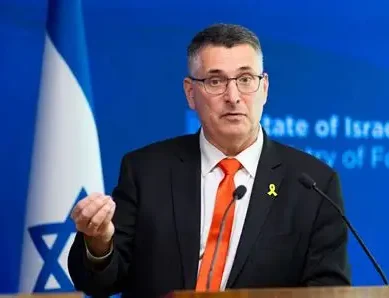
Washington’s silence on ‘foreign elections’ is what Museveni needs to retain power in Uganda
Violent youth-led protests in neighbouring Kenya and Tanzania over the past two years have underscored the risks to the government of young people’s frustration with political systems they see as corrupt and unresponsive to their needs.

Bruising tussle for sea resources pits Lagos fisher-folk against sand harvesters as dredging reshapes Nigeria’s megacity coast
Dredgers and local traders say the price of sand, crucial for making concrete, has risen steadily as development in Lagos has accelerated. A standard 30-tonne truckload of what’s known as sharp sand – coarse and gritty – now sells for about 290,000 naira or roughly $202, reflecting strong demand.
Architecture of electoral authoritarianism: How President Museveni steals elections in Uganda with help of state agencies
Having been rejected at the ballot box in 1980 under the banner of the Uganda Patriotic Movement (UPM) and led by cadres who often hailed from exogenous communities outside the constitutionally recognized indigenous groups, the NRM elite prioritised consolidation over competition.

Analysis: In Ugandan, the military is a powerful institution that’s forced the country to resign to dynastic rule
Muhoozi Kainerugaba joined the army in the late 1990s, and his fast rise to the top of the armed forces proved controversial. In February 2024, a month before Kainerugaba was named army chief, the president officially delegated some of his authority as commander-in-chief to the head of the military.
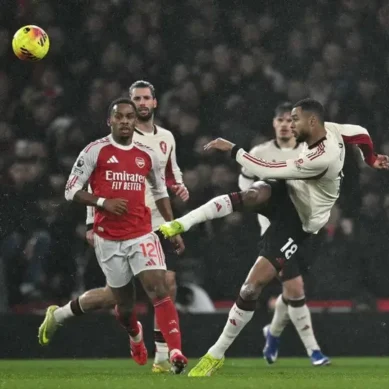
How Liverpool failed to have a shot on target for in 600 games but still grabbed a point from Arsenal
Frimpong caused Arsenal plenty of problems with his pace and strength, providing a real outlet on the counter. After recovering from two injury setbacks, the Dutchman is starting to show why Liverpool regarded his signing from Bayer Leverkusen as such a coup.