

US president grants military permission to start foreign shipbuilding for Navy for first time in decades
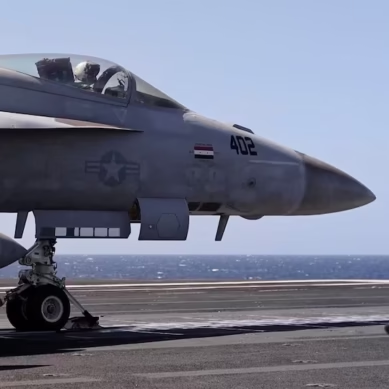
When the Navy selected EMALS in 2009, it said it would lower overall lifecycle costs, require less maintenance than steam catapults and generate less physical stress on carrier-based aircraft. The system, also selected by France’s navy, had initial troubles but has since completed thousands of launches.
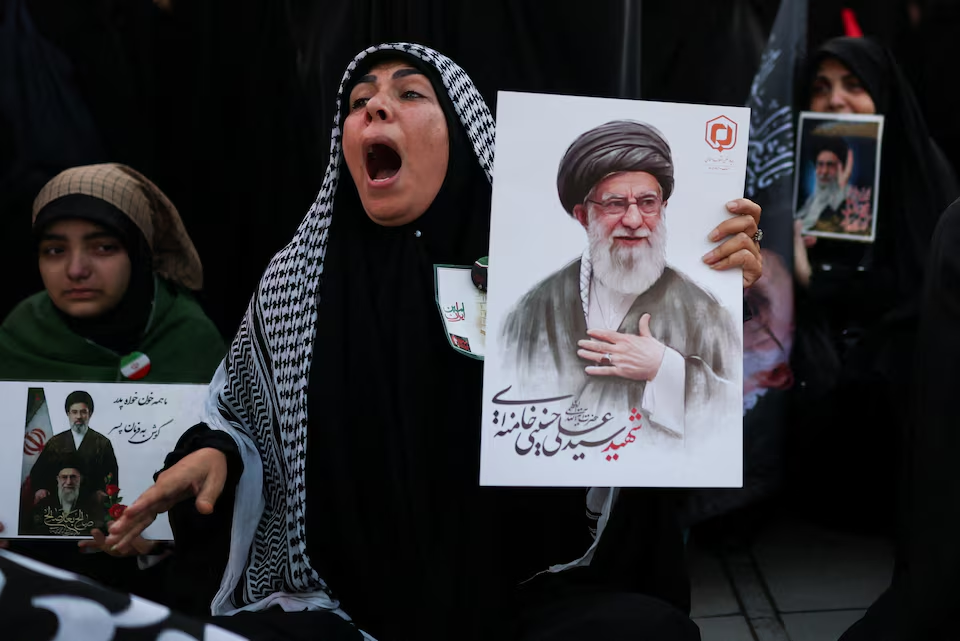
‘Let us wail!’ Iranians flock to slain Ayatollah Ali Khamenei’s funeral after wartime death
Thousands of US and Israeli airstrikes hit a range of military targets, energy and civilian infrastructure during weeks of war that began with the killing of Khamenei on February 28. The attacks killed more than 3,000 people in Iran, according to state media.
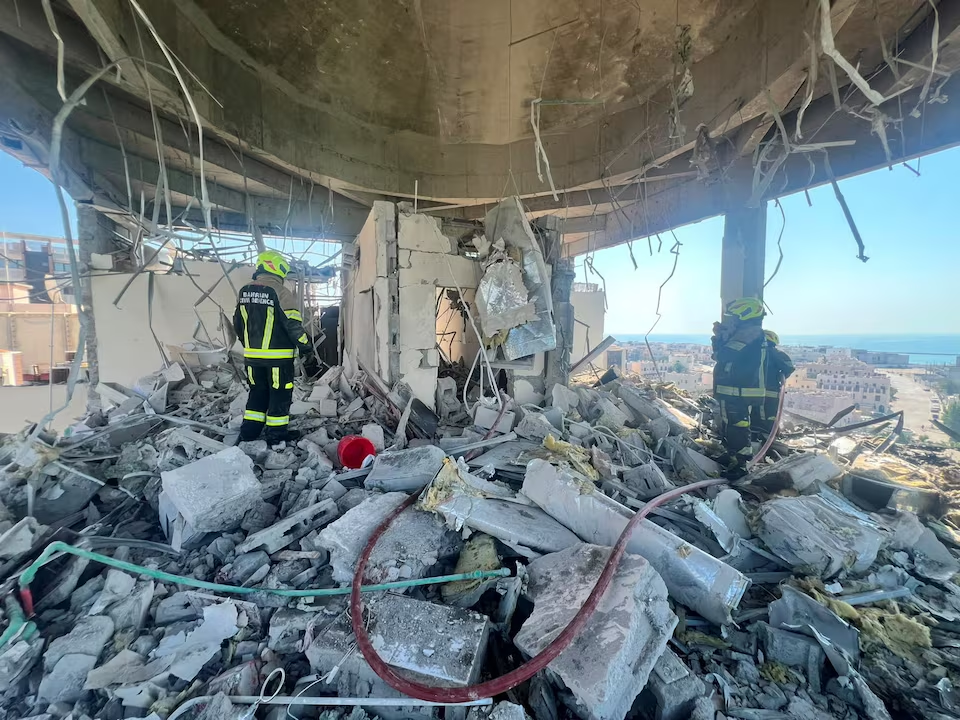
Iran’s Islamic Revolutionary Guard Corps navy command warns American bases ‘will experience hell in coming days’
The 14-point interim peace accord was meant to halt the fighting, which the US and Israel started on February 28, and reopen the strait while talks proceeded on issues such as Iran’s nuclear programme.

ICC Prosecutor Karim Khan suspended over alleged abuse of office and sexual harassment
It is on record that Khan has been fighting abuse of office and allegations of attempted rape or solicit sex from a female member of staff in his office.
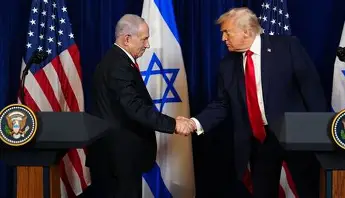
Trump warns Netanyahu: You’d be in prison if it weren’t for me; everybody hates you now; everybody hates Israel
Despite several US-brokered ceasefires between Israel and Lebanon, Washington has been unable to prevent Israel from carrying out near-daily strikes inside Lebanon.

How US firm, Cisco Systems, saw Israeli invasion of Gaza as a means of ramping up lucrative stream of business
One “Iron Swords” presentation deck states that, “Supply of Cisco equipment to Israel will be reinforced, priority given to Cybersecurity equipment,” while assigning designated Cisco employees to “to support Israeli Sales Teams presenting our Cybersecurity solutions to officials and Private sector partners.”

Will Israel’s new ‘Together’ opposition alliance break PM Netanyahu’s hold on Israeli politics?
Former Prime Minister Naftali Bennett and opposition leader Yair Lapid, head of the Yesh Atid party, on Sunday announced a joint political list named “Together” to challenge Netanyahu’s bloc in the parliamentary elections in October.
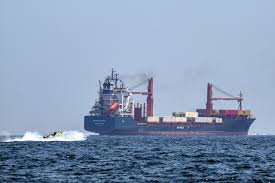
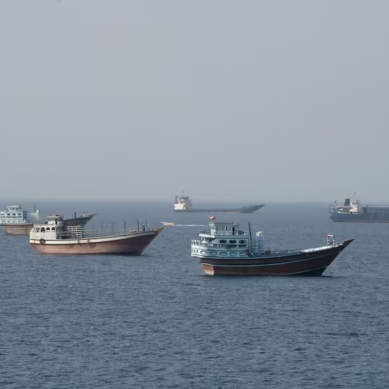
Analyst: No rebound in Hormuz traffic after ceasefire, transit rules to be key focus of US-Iran talks
While US President Donald Trump has repeatedly argued that the United States does not rely heavily on the strait for oil, Meade pointed out that the impact goes far beyond energy, as large volumes of global commodities transit the route, influencing everything from geopolitics to food prices.
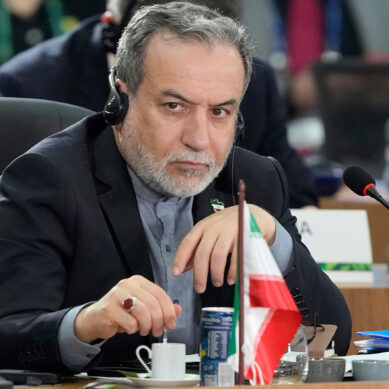
Sticking points for US-Iran talks: ‘Chances of renewed tensions outweigh prospects for a real diplomatic breakthrough’
US President Donald Trump on Thursday threatened Iran to stop the tolling. A day earlier, he told ABC News that he is considering a “joint venture” with Iran to charge fees for crossing the Strait, and wrote on social media that “big money” could be made by the United States “helping with the traffic build-up in the Strait of Hormuz.”
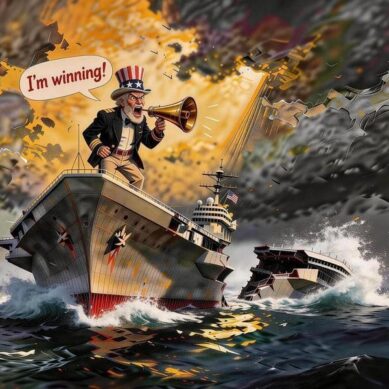
World oil market experts warn end of Iran war is not guarantee prices will drop to pre-conflict levels
If hostilities fail to resolve and the maritime route continues to be blocked, the global oil market could be left in a fragile state, experts said. If shipping remains disrupted, that could force a structural shift in shipping and lead to higher long-term energy prices, reported the BBC.
- 1
- 2