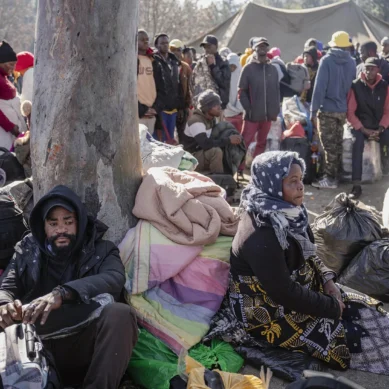




Report: Africa losing plant genetic diversity at pace that threatens food security, nutrition and resilience of agrifood systems
Despite the risks, the Third Report also identifies opportunities. Fourteen African countries report that 44 per cent of their seed collections have been studied and described, exceeding the global average, while 21 countries are actively breeding improved varieties of 81 crop species, including underutilised crops such as African eggplant, amaranth, moringa and indigenous vegetables.
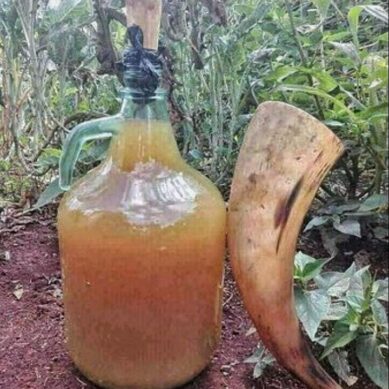
Kenya unveils robust programme to protect and commercialise indigenous knowledge
Speaking in Naivasha during the Governors’ Consultative Roundtable, Cabinet Secretary for Gender, Culture, Arts and Heritage Hannah Cheptumo said the pilot phase will benefit Garissa, Kakamega, Kericho, Kilifi, Kisii, Makueni, Marsabit, Murang’a, Narok, Siaya, Tharaka Nithi, Turkana and Vihiga.
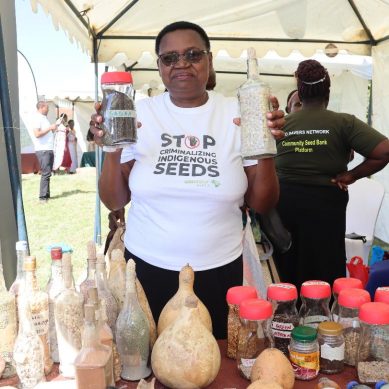
Going cultural: How indigenous seeds crusader in Kenya’s semi-arid Machakos is paving way for sustainable agriculture
Interviewed, Mutava shared how indigenous seeds are integral to her farming success. Her story begins in 2021 when Mwang’a Farmers Group partnered with Grow Biointensive Agriculture Centre of Kenya (G-BiACK), an organisation that champions agroecology and the use of indigenous seeds in crop farming.
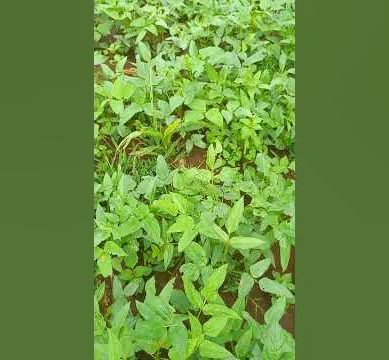
Living healthy: Eldoret National Polytechnic launches Kenya indigenous vegetables project
Farmers eager to be part of this exciting green revolution are encouraged to contact their respective Ward Agricultural Officers for registration and training schedules.

Pushed to the peripheries of nationhood Kenya’s minorities are now on the cusp of inclusion
Speaking during a consultative meeting with members of Turkana Community in Nakuru, Lodoyi admitted that though Articles 56 and 26o of the Constitution recognised minority and marginalised groups, progress had stalled due to absence of a guiding policy.