

Preeclampsia, a serious and potentially fatal pregnancy complication characterised by high blood pressure and damage to vital organs, continues to pose a major threat to mothers and unborn babies in Kisumu and across Kenya.
The World Health Organization (WHO) defines preeclampsia as a pregnancy disorder marked by elevated blood pressure and signs of damage to other organ systems – most commonly the liver and kidneys. The condition typically develops after the 20th week of pregnancy in women who previously had normal blood pressure.
Common symptoms include persistent high blood pressure, severe and unrelenting headaches, sudden swelling of the hands, face or eyes (oedema), visual disturbances such as blurred vision or seeing flashing lights, upper abdominal pain under the ribs on the right side, sudden weight gain, nausea, and vomiting.
Ministry of health data show that in Kenya, preeclampsia affects approximately six per cent of pregnancies and is one of the leading causes of maternal and neonatal deaths, contributing to up to 20 per cent of maternal mortality cases nationally.
In Kisumu County, health experts report that the condition is associated with more than half of stillbirths, underscoring the urgency of early detection and management.
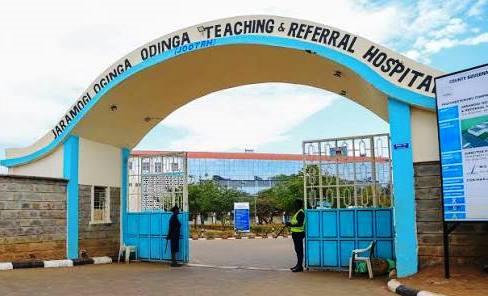
For Belinda Mukolwe, what began as a normal pregnancy quickly turned into a life-threatening emergency when she developed severe complications at six months. She was rushed to Jaramogi Oginga Odinga Teaching and Referral Hospital (JOOTRH), where doctors immediately intervened to save both her life and that of her unborn child.
An emergency Caesarean section was performed and a baby girl weighing just 1.2 kilogrammes was delivered and admitted to the Neonatal Intensive Care Unit (NICU). Despite the critical condition, both mother and child survived, highlighting the importance of timely medical response in managing preeclampsia cases.
Preeclampsia is often referred to as a silent killer because it can progress without obvious warning signs. A woman may appear healthy and continue with normal daily activities while the condition worsens internally, affecting blood flow and vital organs.
Dr Simiyu Wambaya, a specialist at JOOTRH, says preeclampsia has become one of the most common obstetric emergencies in the region and is no longer a rare complication in maternity wards.
“The challenge with preeclampsia is that it can worsen very quickly. A woman who seems stable in the morning can become critically ill within hours if the condition is not identified and managed early,” said Dr. Wambaya.
He explained that the condition affects the placenta, reducing oxygen and nutrient supply to the foetus. This can lead to poor foetal development, distress in the womb and often premature delivery, which becomes necessary to save the mother’s life.
However, premature babies face significant risks, including breathing difficulties, infections, feeding challenges and prolonged stays in neonatal intensive care units. Survival often depends on specialized care, advanced equipment, and dedicated healthcare workers.
At JOOTRH, healthcare workers have expressed concern over the increasing number of severe preeclampsia cases, many of which are referred from smaller facilities after deterioration or arrive late due to delayed care-seeking.
To address the challenge, the hospital has strengthened its emergency obstetric services, triage systems and neonatal care capacity. Multidisciplinary teams comprising obstetricians, nurses, anaesthetists, and neonatal specialists now work together to provide rapid intervention for high-risk pregnancies.
Nurse Irene Awino Nyarath, who works in maternal care, says quick response is critical in saving lives. She notes that delays in treatment can rapidly worsen outcomes for both mother and baby.
Consultant obstetricians Dr. Leah Okiri and Dr Wambaya emphasise that early detection through antenatal care remains the most effective strategy for managing preeclampsia.
Routine antenatal visits allow healthcare providers to monitor blood pressure, test urine, assess foetal growth, and detect early warning signs before complications escalate.
However, some women begin antenatal care late or miss scheduled visits, increasing risks.
Health professionals note that certain factors increase vulnerability, including a history of preeclampsia, chronic hypertension, diabetes, kidney disease, obesity, and multiple pregnancies such as twins or triplets.
While the exact cause of preeclampsia remains anonymous, prevention and early management significantly reduce complications. Regular antenatal care remains the strongest protective measure that enables early identification and intervention.
Healthcare providers also recommend healthy lifestyles during pregnancy, including balanced diets, physical activity as advised by clinicians, and strict adherence to medical guidance. High-risk patients may be prescribed low-dose aspirin or calcium supplements to reduce severity.
Medics further emphasise the importance of community awareness, urging families to recognise warning signs such as headaches, swelling, visual changes, abdominal pain and reduced foetal movement, and to seek immediate medical attention.
Health facilities are also encouraged to strengthen referral systems to ensure timely transfer of complicated cases to specialized care units. Effective communication between facilities and well-equipped maternity wards can significantly reduce maternal and neonatal deaths.
For survivors like Mukolwe, timely intervention made the difference between life and death. Her case illustrates that despite its dangers; preeclampsia is manageable when detected early and treated promptly.
As healthcare workers at JOOTRH continue to manage rising cases, they reiterate a simple but urgent message to expectant mothers: attend antenatal clinics early, understand warning signs, and seek immediate care when something feels wrong. Early action, they stress, remains the most powerful tool in saving lives.
- A Tell Media / KNA report / By Mabel Keya – Shikuku and Cecilia Kuta


About author