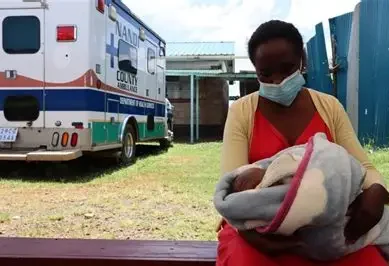


Kenya is intensifying efforts to reduce maternal and neonatal deaths through targeted interventions, increased resources and strengthened community health services, as preventable deaths continue to pose a major public health challenge.
The country records an estimated 16 maternal deaths every day, translating to a maternal mortality ratio of about 355 deaths per 100,000 live births, according to Ministry of Health data. Approximately 92 new-borns also die daily, with an estimated 30,000 neonatal deaths recorded annually.
About 5,000 to 5,680 women and girls die each year from pregnancy and childbirth complications, with 26 counties accounting for the highest concentration of maternal and new-born deaths. Among the high-burden areas are Kisumu, Homa Bay, Siaya, Nairobi and Garissa.
The government is implementing Every Woman Every New-born Everywhere (EWENE) Acceleration Plan (2026-2028), alongside a targeted Maternal and New-born Health Rapid Results Initiative focusing on high-burden regions, particularly Nyanza and western Kenya.
Under the interventions, additional funding, medical supplies and health workers are being directed to the 26 high-mortality counties. Thousands of Community Health Promoters (CHPs) have also been equipped with mobile tools to monitor pregnancies, identify risks and report maternal and new-born deaths within 24 hours.
At Jaramogi Oginga Odinga Teaching and Referral Hospital (JOOTRH) in Kisumu, health workers are confronting the causes of neonatal deaths daily, with prematurity, birth asphyxia, congenital abnormalities and infections among the leading challenges.
Head nurse at the hospital’s new-born unit, Connie Omenge, says prematurity remains the biggest challenge, noting that babies born before 37 weeks often have immature organs, particularly lungs, making it difficult for them to breathe without specialised support.
“Prematurity is our biggest challenge,” Omenge said, explaining that some premature babies experience apnoea – a condition in which they stop breathing for several seconds and require immediate intervention.
Birth asphyxia, which occurs when a new-born is deprived of oxygen during labour or delivery, is another major concern. Without rapid resuscitation, oxygen deprivation can cause brain damage or death within minutes. Prolonged labour, obstructed delivery and delayed access to skilled care can increase the risk.
Congenital abnormalities, including structural and functional defects present at birth, also contribute to neonatal deaths. Some conditions can be detected during pregnancy through ultrasound scans, while others only become apparent after delivery.
“Many new-borns are affected by conditions that develop while still in the womb,” Omenge said, adding that some severe abnormalities may be incompatible with life despite advanced medical care.
Maternal health during pregnancy also significantly influences the survival of both mother and child. Conditions such as malaria, anaemia, hypertension, pre-eclampsia, diabetes and heart disease can affect fatal growth, trigger premature labour or place the mother’s life at risk.
High blood pressure can restrict blood flow to the placenta, reducing the oxygen and nutrients reaching the baby.
Poorly controlled diabetes can increase the risk of excessive birth weight, birth trauma and stillbirth. Omenge explains that, what a mother consumes or is exposed to during pregnancy affects the unborn child.
“Whatever the mother consumes is very important for her own health and that of the unborn baby,” she pointed out.
She urged expectant women to avoid unprescribed medication, alcohol, tobacco and other harmful substances, while following professional medical advice on medication and other exposures.
Infections also remain a threat. Sepsis can occur during childbirth where hygiene is poor or after delivery where umbilical cord care is inadequate. Neonatal pneumonia and tetanus – although largely preventable – can still occur where clean delivery practices and maternal vaccination are inconsistent.
Low birth weight babies, particularly those born prematurely or with restricted growth, are especially vulnerable because their immune systems are not fully developed. Infections that may be manageable in stronger babies can therefore become life-threatening.
Complications during delivery, including shoulder dystocia, cord prolapse and delayed recognition of fatal distress, can also result in death or severe disability if not identified and managed promptly.
In resource-limited settings, lack of continuous fatal monitoring and emergency obstetric care can turn otherwise manageable complications into tragedies.
At JOOTRH, regular antenatal visits and ultrasound scans are encouraged to identify potential problems early. These services can reveal abnormal fatal growth, placental complications and some structural abnormalities, allowing health workers to plan appropriate interventions before delivery.
Where a condition can be treated, intervention may begin before birth. Where treatment is not possible, parents are counselled and prepared for the likely outcome. However, Omenge noted that early detection must be accompanied by timely and skilled care during delivery and after birth.
Treatment in the new-born unit is tailored to each baby’s condition. Some require respiratory support through continuous positive airway pressure (CPAP) or ventilators, while others need antibiotics for sepsis, phototherapy for jaundice or surgery for correctable abnormalities.
However, resources remain limited. Incubators are few, monitoring equipment is stretched and critical new-borns require constant attention from specialised health workers.
The pressure also affects bereavement support for families who lose babies or mothers. Omenge says the hospital provides counselling, but staffing shortages sometimes make it difficult to offer immediate emotional support.
“If they are on duty just two or three, the nurse cannot have enough time to counsel the bereaved,” she said.
A counsellor may be called, but may also be attending to another emergency, leaving grieving families without timely support. The shortage illustrates the wider staffing challenges facing neonatal care, which requires intensive one-on-one attention for critically ill babies.
Omenge said preventing maternal and neonatal deaths should begin before pregnancy and continue throughout the antenatal and postnatal periods.
“Prevention begins during the antenatal period and even before a woman conceives,” she says.
She recommended folic acid supplementation three to six months before conception to reduce neural tube defects, as well as pre-conception counselling for women with chronic conditions such as hypertension and diabetes.
Regular antenatal care is also essential for screening infections, anaemia and high-risk pregnancies. Expectant women should avoid harmful substances and seek skilled birth attendance in facilities equipped to provide emergency obstetric and neonatal care.
Community education remains equally important. Women and young mothers need information on proper nutrition, birth spacing, early antenatal attendance and danger signs during pregnancy. Men should also be engaged as partners in maternal and new-born health.
Reducing deaths will require sustained investment by national and county governments, development partners and communities. More incubators, trained neonatal nurses, essential medicines and functional monitoring equipment would strengthen hospitals’ capacity to manage critical cases.
Stronger referral systems are also needed to ensure high-risk pregnancies are identified early and transferred to facilities capable of handling complex maternal and neonatal cases.
As Kenya pursues its maternal and new-born health targets, health workers at JOOTRH say many deaths can be prevented through early care, skilled delivery, timely referrals and adequate resources.
For mothers and families, the goal is simple: a safe pregnancy, a healthy new-born and the opportunity for both mother and child to survive and thrive beyond childbirth.
- A Tell Media / KNA report / By Mabel Keya-Shikuku and Kuta Cecilia
A signpost showing the Jaramogi Oginga Odinga Teaching and Referral Hospital (JOOTRH) Prime Care Unit.

About author