


The Ethics and Anti-Corruption Commission (EACC) kicked off a week-long public awareness campaign against corruption in Kakamega County on Monday. The campaign will b taken to the rest of the country.
In a recent survey, Kakamega was rated as the most corrupt county in the country alongside Kisii, Nyamira, Bungoma, Busia, Homa Bay, Nairobi, Mombasa and Isiolo, among others.
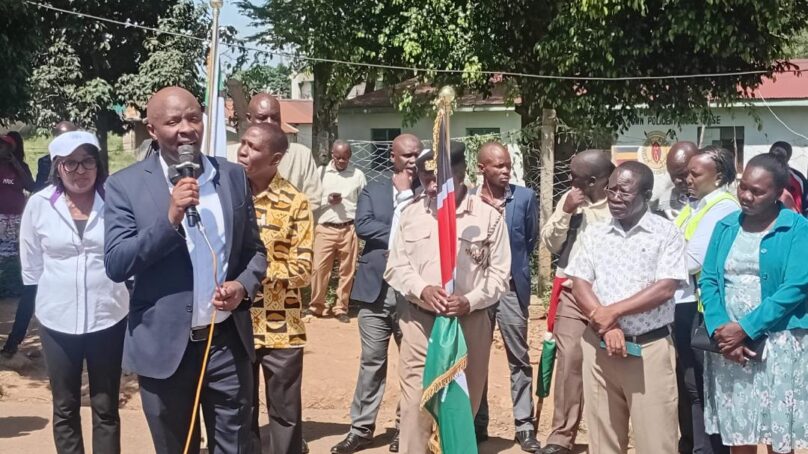
The anti-corruption caravan was flagged off in Kakamega town by Dr Emily Moria, EACC Deputy Director for Education and Public Awareness, who was accompanied by the EACC Western Regional Director Erick Ngumbi and the Kakamega Deputy County Commissioner Titus Mulei.
The caravan will visit trading centres, markets and towns in the county over the next five days to create awareness messages on corruption prevention, accountability and integrity to the local people.
Dr Moria said the commission is targeting about 57 towns, markets and trading centres in Kakamega County for an up-close and candid engagement with the populace on integrity, ethical leadership and the impact of corruption on development. She said the programme will also cover learning institutions, where 11 schools are identified for visits to instill values of integrity among the local youth.
Dr Moria stressed the need to involve youth in anti-corruption activities as early by instilling moral values and ethical conduct, which is very important in creating a corruption-free society.
“Corruption is a threat and that the message we are sending to the youth of Kakamega County and the whole country is that we have a battle against corruption, we are here to send them a message on morality and integrity. The engagement is part of the constitutional duties of the commission and is in-keeping with the commission’s goal of uprooting corruption by continuous public education and awareness,” she explained.
She said the overall objective of the caravan was to provide citizens with the information needed to be active in governance processes and contribute to development,
On his part, Mr Ngumbi said that ordinary people suffer the most from the corruption due to the failure of services, the lack of job opportunities, especially for the youth, and the failure of development projects.
“The people have primarily continued to be at the receiving end of corruption, which denies them timely services. The failure by leadership to provide jobs for the youth and to deliver development is a direct consequence of unchecked corruption. If there is corruption, then there will be no jobs for the youth, citizens will not get services on time, and people will not enjoy the services they deserve,” he said.
He said the knowledge shared through the programme would help them to better read and understand public reports, get involved during elections and engage effectively in accountability at the county level.
Ngumbi recalled a previous election when 240 candidates who were flagged for integrity checks were elected by voters, highlighting the need to have access to information.
“That’s why some of the problems that citizens grappled with last year remained this year, especially on the county level. That’s the kind of information we want our citizens to have–what corruption is and how it affects their lives”, he added.
Kakamega Deputy County Commissioner Titus Mulei underlined the importance of holding the campaigns against corruption, adding that everyone, including both the public and private sectors, should be accountable while serving the public and also to maintain integrity.
He said they will involve members of the county executive, county assembly, and the private sector during the week-long campaign, as part of a multi-pronged approach to fighting corruption.
EACC officials said the commission will carry out similar public anti-corruption campaigns in all the 47 counties.
- A Tell Media / KNA report / By Paul Nyokech


About author