

While arid and semi-arid lands (ASALs) account for more than 80 per cent of Kenya’s landmass and support over 70 per cent of the country’s livestock population, it is necessary to make them central to national food security and economic growth, Agriculture and Livestock Development Cabinet Secretary Mutahi Kagwe says.
In a speech read on his behalf by Agriculture Engineering Secretary Laban Kiplagat during the Third Dryland Agriculture and Food Systems in the Face of Climate Change Conference at Lukenya University, the cabinet secretary emphasised that transforming food systems sustainably requires strong collaboration among government, research institutions, development partners, private sector and farming communities.
He reaffirmed the government’s commitment to transforming dryland food systems through climate-smart agriculture, regenerative farming practices, strategic investments and inclusive value chains aimed at strengthening resilience and productivity in ASAL regions.
The conference brought together stakeholders from government, academia, research institutions, development partners, the private sector and civil society to deliberate on sustainable solutions for strengthening food systems in Kenya’s drylands.
Discussions focused on the potential of drylands as a driver of Africa’s economic growth and food security. Participants explored climate-resilient agriculture, digital technologies, artificial intelligence, nutrition-sensitive food systems, indigenous crops, livestock health, soil restoration and integrated water management.
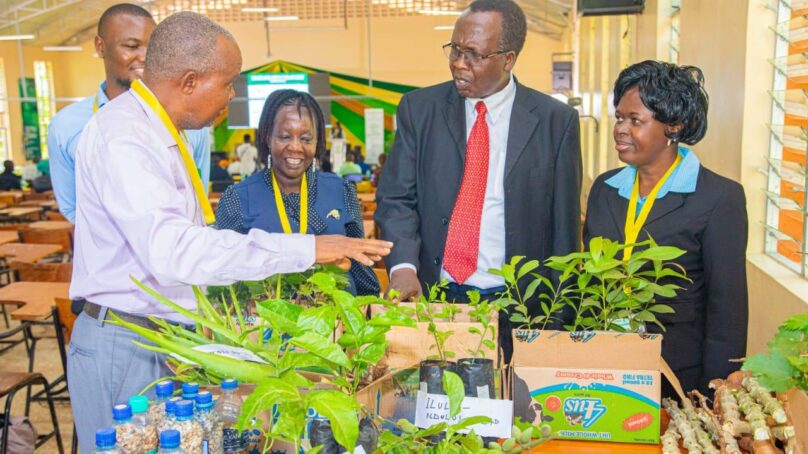
The forum also featured student innovations, exhibitions and field demonstrations showcasing climate-smart irrigation, rangeland restoration, drought-resilient crops, livestock health interventions and digital advisory tools.
Delegates underlined the importance of research, innovation, policy support and multi-stakeholder partnerships in building resilient and sustainable dryland food systems.
They noted that enhanced investment in dryland agriculture could significantly improve food security, nutrition outcomes and inclusive economic growth, particularly for communities in ASAL regions.
- A Tell Media / KNA report / Derrick Otieno and Joseph Kamolo


About author