
Artisanal miners in Embu want to be recognised as Kenya prepares to start exporting in-demand coltan
Artisanal miners in Embu and Kirinyaga counties are calling for greater inclusion in Kenya ongoing mining reforms as the country prepares to join the league of high-value mineral exporting countries in the world.
The Embu miners’ plea was made on the back of discovery of coltan deposits of commercial value in neighbouring in Meru County. According to the ministry of mining report on the discovery, there is potential for coltan in neighbouring Kirinyaga and Embu.
Until recently, Democratic Republic of the Congo (DRC) was the only known Africa that produced and exported coltan, which makes up a third of world supply of the mineral behind China and Russia.
The miners warned that policies developed without adequately addressing the realities on the ground are likely to undermine the growth of one of the country’s emerging economic sectors.
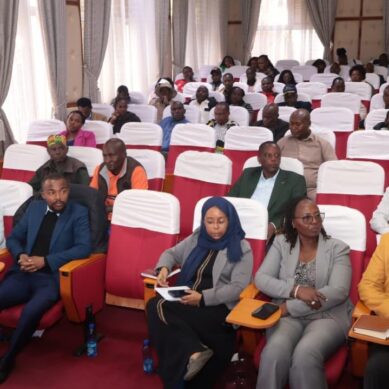
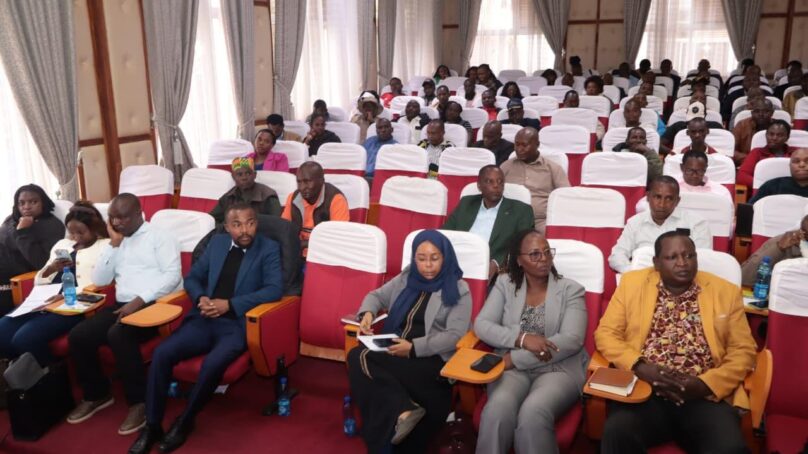
The call was made at a public participation forum organised by the Ministry of Mining, Blue Economy and Maritime Affairs to collect views on the Draft Minerals Mining and Value Addition Policy, the Draft Explosives Bill 2026 and the Draft Mining (Mine Health, Safety and Environment) Regulations 2026.
Leading the government’s engagement team, Director of Mines David Onyonga emphasised that public participation is a constitutional requirement designed to ensure citizens shape legislation that affects their livelihoods.
“The constitution requires that, before the government develops legislation, we must consult the people who are the ultimate beneficiaries and users of these laws,” Onyango told participants.
He said the consultations in Embu and Kirinyaga were intended to gather contributions that would refine the proposed laws before they proceed through the approval process. One of the key issues raised during the forums was the need for local communities to play a greater role in the management and development of mineral resources.
Early last year, Kenya announced discovery of huge deposits coltan in Meru, which borders Embu and Kirinyaga counties. The discovery of coltan deposits coincided with rising global demand for technology minerals.
Coltan is a primary source of tantalum. Manufacturers use this metal in heat-resistant electronic components and advanced battery technologies. Demand is rising strongly in Asia, where many electronics manufacturing hubs operate. The industries require stable supplies of critical minerals.
As technology production expands, analysts expect new sources of coltan to help diversify supply.
Currently, Kenya is inclining more towards electric vehicle mobility, a phenomenon that is being experienced all over the world. The growth has increased demand for minerals used in battery systems and energy-efficient electronics.
Consequently, coltan has gained strategic importance in the global technology transition.
Mining has historically played a limited role in Kenya’s overall economic output. However, policymakers now see the Kenya coltan deposits as part of a broader shift in the sector. The country aims to unlock underdeveloped mineral resources in all regions.
Spurred on by discoveries of other high value minerals in western Kenya, the government is investing more resources in geological surveys and refinement of licensing frameworks for the benefit local communities.
The reforms will support responsible mineral exploration and attract investment, Onyango said.
Data from the World Bank show that strong governance improves investor confidence in emerging mining markets.
So, according to Onyango, many participants called for increased community representation in mining structures to ensure local populations benefit from mineral wealth.
“The people have requested the government to involve them in the development and harnessing of mineral resources through committees and other mining processes so that they can participate and ensure that local community’s benefit,” he said.
Kirinyaga County Executive Committee Member for Energy, Mining and Environment James Kinyamutu who also welcomed the consultations and described the exercise as an important step towards ensuring communities benefit from mining activities in their regions.
However, beyond questions of governance, artisanal miners used the forums to highlight the challenges facing the sector, including restrictive regulations, costly licensing procedures and limited technical support.
Miguel, a representative of the Mbeere Artisanal Miners Cooperative Society, pointed out that the existing definitions of artisanal mining no longer reflect the realities of the industry. He said artisanal miners should be allowed to adopt modern equipment and mechanisation to improve safety, productivity and economic viability.
He also cautioned policymakers against adopting mining frameworks from developed countries without customising them to Kenya’s local circumstances, noting that the country mining sector requires policies tailored to its own economic realities.
Licensing emerged as another major concern, with miners arguing that the current system remains expensive and inaccessible due to the centralisation of services in Nairobi. Participants called for licensing services to be decentralised to make them more accessible to miners operating in remote areas.
Miners further expressed concern over what they described as increasing regulation in the sector. Many proposed strengthening cooperatives and county mining associations to work alongside government agencies in regulating mining activities rather than introducing additional legal requirements.
Veteran miner James Koro Mugoko highlighted the lack of technical support available to artisanal miners, saying many miners discover potentially valuable minerals but lack access to laboratories and experts who can accurately identify them.
He said the need to attract more young people into the mining sector, arguing that with proper support, mining could become a major source of employment and economic growth in rural Kenya.
As Kenya seeks to unlock the economic potential of its mineral resources, the discussions in Embu and Kirinyaga reveal a sector eager for reform but determined to ensure that those reforms reflect the realities faced by thousands of artisanal miners across the country.
- A Tell Media / KNA report / By Makara Kamotho and Bildad Okechi


About author