
Kenya is intensifying efforts to make the mining sector safer, more accountable and economically beneficial through a countrywide public participation exercise on proposed mining laws, with stakeholders in West Pokot urging authorities to strengthen community engagement before the legislation is finalized.
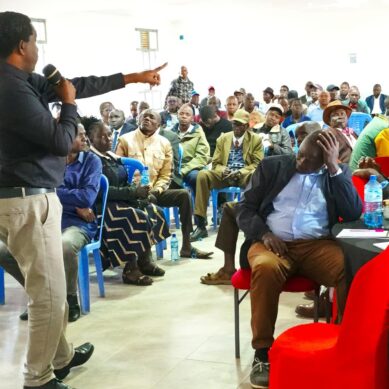
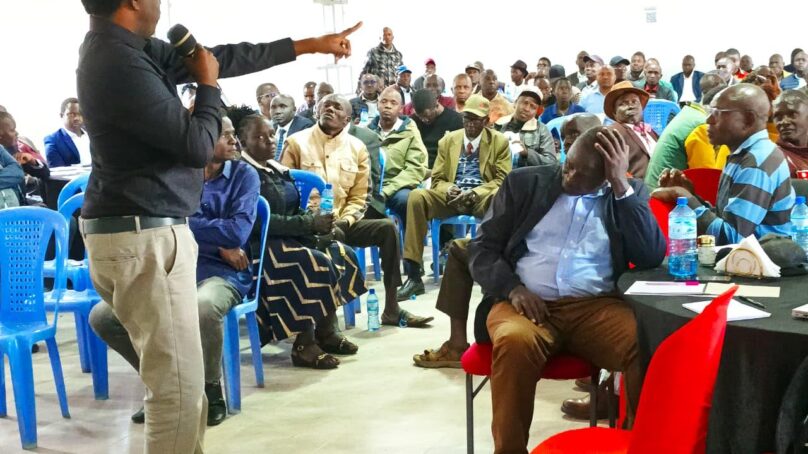
The consultative forum at Mtello Hall in Kapenguria brought together government officials, security agencies, local leaders, mining officers, former diplomats, artisanal miners and members of the public to discuss three key proposals which include the Mining (Mine Health, Safety and Environment) Regulations, the Minerals Mining and Beneficiation Policy, and the proposed Explosives Bill (2026).
The proposed regulations are intended to enhance the safety, health and welfare of mine workers and surrounding communities, strengthen environmental protection, improve monitoring and enforcement of mining standards, and guarantee every person’s right to a safe and healthy environment within mining areas.
Addressing the meeting, Deputy Director of Mineral Audit, Safety, Health and Environment at the State Department for Mining Joshua Boiwo said the proposed legal framework seeks to address persistent challenges facing the mining sector, including illegal mining, environmental degradation and frequent mining accidents.
Boiwo noted that the Explosives Bill (2026) proposes the establishment of a Commercial Explosives and Inspections Directorate, tighter controls on authorised and unauthorised explosives, and stricter licensing and inspection procedures. He said the measures are expected to improve safety while enhancing accountability in mining operations across the country.
He explained that the government is collecting views from citizens before the proposed laws are finalised, emphasising that public participation is essential in developing legislation that responds to the realities experienced by mining communities.
The proposed Minerals Mining and Beneficiation Policy also seeks to unlock the sector’s economic potential by promoting responsible exploration, extraction and value addition within Kenya. Currently contributing about one per cent to the country’s Gross Domestic Product, the government believes the mining sector has the capacity to contribute up to 10 per cent under Kenya’s Vision 2030 development agenda.
The policy further recognises the important role played by artisanal and small-scale miners by integrating them into the formal economy while encouraging investment in large-scale mining. It also promotes local processing and value addition so that minerals extracted in Kenya generate greater economic returns before leaving the country.
Stakeholders who attended the meeting welcomed the consultations but expressed concern that many artisanal miners from remote mining areas were not adequately represented.
They urged the department of mines to conduct more awareness campaigns and grassroots engagement forums to ensure the people directly involved in mining activities have an opportunity to contribute to policies that will directly affect their livelihoods.
West Pokot County Commissioner David Saruni welcomed the public participation exercise, saying communities living in mineral-rich areas deserve a voice in determining how the resources benefit their lives.
Saruni warned against unsafe and unregulated mining activities, particularly the unauthorised use of explosives in gold mining. He called for stronger enforcement of mining regulations and structured systems that prioritize miners’ safety while ensuring local communities fairly benefit from mineral resources.
He attended the meeting alongside county security officials, mining officers and local leaders. Former ambassador Steven Loyatum described West Pokot as one of Kenya’s mineral-rich counties and called for extensive stakeholder engagement involving experts, professionals and local communities before major mining projects are undertaken.
He argued that local residents should remain central beneficiaries of the county’s mineral wealth and urged the county government to conduct comprehensive geological surveys so communities can better understand the mineral resources found within their areas.
Loyatum also warned of the long-term risks associated with poorly managed mining, including environmental pollution from mining chemicals, abandoned open pits and the spread of communicable diseases resulting from increased migration into mining areas.
He emphasised that proper mitigation measures should be implemented before, during and after mining operations. Residents also stressed the need for greater inclusion of women in mining policy discussions.
Mary Kakuko, a resident of West Pokot, said women often bear the greatest burden of unsafe mining activities. She referenced the recent mining tragedy in the Romus area, where a collapsing mine shaft claimed the lives of 15 people, including eight women, while six others sustained serious injuries.
Kakuko urged policymakers to ensure women are fully represented in the formulation of mining laws, arguing that their experiences and perspectives are critical in preventing similar tragedies in the future.
The consultations come as the government seeks to strengthen safety regulations following repeated mining accidents across the country while creating a legal framework that supports sustainable mineral development, environmental conservation and increased economic benefits for communities living in mining regions.
With West Pokot among Kenya’s mineral-rich counties, participants agreed that stronger laws, meaningful public participation and responsible mining practices will be key to ensuring the county’s mineral wealth contributes to sustainable development while protecting lives and the environment.
- A Tell Media / KNA report / By Parklea Ivor

About author