



A meeting to deliberate on securing Africa’s access to lifesaving essential medical products has ended in Lusaka Zambia.
The African Union Development Agency (AUDA-NEPAD) convened stakeholders from around Africa in Lusaka from June 15 to fast-track the development of the safeguarding the continental reach to vital medicines and drugs that can save lives.
Through a programmed access to Securing Continental Access To Lifesaving Essential SCALE medical products programme established by AUDA-NEPAD, SCALE is Africa’s initiative designed to strengthen the systems, institutions and partnerships required to improve access to essential medical products across Africa.
The inclusive intervention has been lauded as it involves an end-to-end approach to strengthening health product value chains while supporting broader goals related to health security, industrial development and resilient health systems.
According to Chimwemwe Chamdimba, head of health and wellbeing at AUDA-NEPAD, SCALE takes an all-inclusive approach to improving access to medicines, vaccines, diagnostics and other essential health products as it seeks to strengthen the systems that underpin access through six interconnected pillars including health technology assessment (HTA), pharmaceutical manufacturing competitiveness, health product supply chains, human and institutional capacity strengthening, data, digitalization and artificial intelligence, and advocacy and communications.
“Access to lifesaving medical products is not purely a health sector issue as it further addresses issues on industry development, financing, trade, research and development, workforce capacity, supply chain resilience, digital transformation and policy leadership,” Chimwemwe said.
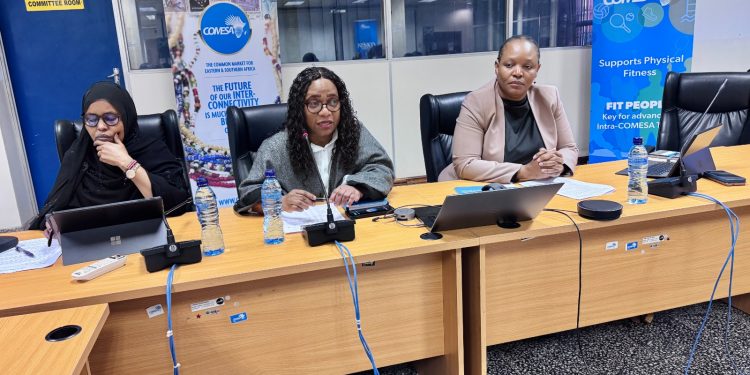
The growing push behind the SCALE programme has also been felt through the active engagement of regional economic communities (RECs) where both the intergovernmental authority on development (IGAD) and the common market for Eastern and Southern Africa (COMESA) have applauded the strategic value of the programme and highlighted its alignment with regional health, investment and development priorities.
Stakeholders drawn from IGAD and COMESA have stressed the need for strengthening health product value chains, improving access to essential medical products, building institutional capacity, and advancing regional approaches to health security and pharmaceutical development.
Despite significant progress being made in strengthening regulatory systems, expanding local manufacturing initiatives and improving access to healthcare, many countries continue to face ongoing challenges in ensuring reliable and equitable access to essential medical products as health systems remain vulnerable to supply chain disruptions, fragmented procurement systems, limited coordination across sectors, workforce constraints and insufficient use of data and digital technologies to support decision-making.
According to the experts, these encounters calls for the need for a more coordinated and integrated multi-sectoral approach, one that will strengthens the entire health product ecosystem, from production and challenges procurement to distribution, delivery and utilization.
The six pillars provide a framework for strengthening evidence-based decision making, supporting regional manufacturing, improving supply chain performance, building workforce capacity, accelerating digital transformation and fostering the partnerships required to drive sustainable change.
SCALE is committed to seeing an Africa where each state harbors stronger systems and greater capacity to ensure that lifesaving medical products are available, accessible and affordable for all who need them.
- A Tell Media report / By Isaiah Wakhungu Andanje


About author