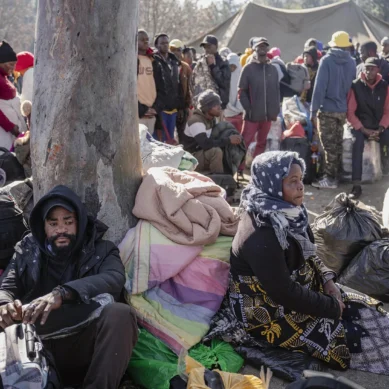



Refugees in Kenya have expressed frustration with inordinate delays by government in clearing thousands of applications by aliens seeking refuge and asylum.
Currently, the community said delays in determining the status of over 200,000 cases has denied affected persons access to critical documentation needed for work, enrol in school, health and other services.
They decried the tedious process of seeking asylum in the country run by the Department of Refugee Services, which takes years to resolve due to underfunding and lack of adequate staff.
Kenya is currently hosting to about 900,000 refugees and asylum seekers mainly from neighbouring countries plagued by conflict such as Somalia, DRC Congo, South Sudan and Ethiopia, Rwanda, Burundi and Uganda, among others.
According to Deu Kamuzinzi, a refugee and advocacy lead at Youth Voices Community, delays in clearing the piling backlog of applications has locked out thousands of refugees from contributing to the country’s economy.
“Over 200,000 persons seeking refuge and asylum in Kenya have their applications stuck at the Refugee Status Determination desk due the agency’s underfunding and low staffing leaving applicants’ fate in limbo,” Kamuzinzi said.
According to Lucy Duku, the chairperson at Refugee Women in Nairobi, the lack of critical documents such as work permits have locked out thousands of refugees from accessing professional jobs despite meeting education requirements.
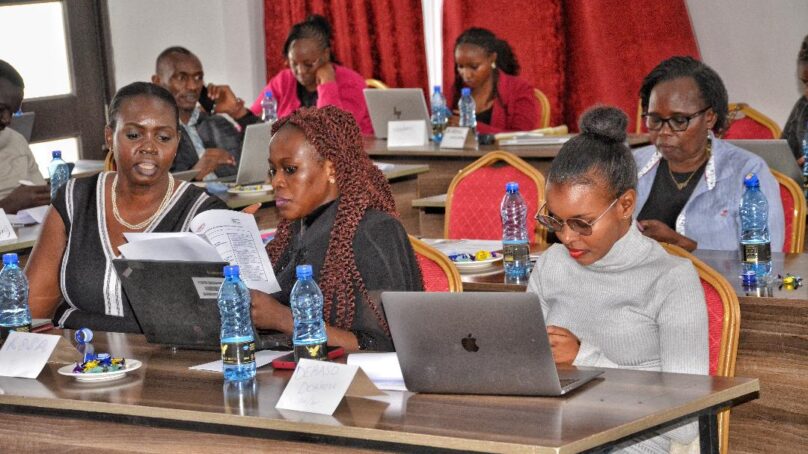
Duku called on the government to address their concerns by empowering women economically, enhance their security, adding that some have lived in the country for over 30 years. They were addressing the press on the side-lines of a stakeholder meeting to promote refugee integration and self-reliance in Naivasha.
Mohammed Hassan from Refugee Hub, said only one per cent of those seeking crucial documents from the Kenyan government are cleared, locking out thousands from established systems at the National and Counties.
To address this, Kituo Cha Sheria Chair Justus Munyithya said the body will engage relevant government agencies including Parliament to review existing legal and policy frameworks.
Munyithya said amendment to existing laws will accelerate full refugee integration with host communities, enjoy their right to work, education, health which is currently limited despite requisite education. He said the organisation, which offers pro bono legal services to refugees, had successfully sued the government in an attempt to close the Kakuma Refugee Camp, home to thousands of refugees alongside Dadaab Camp.
According to Dorothy Omboto, a lawyer and consultant researcher, the existing laws still limit refugee integration and access to decent work due to the tedious process to acquire work permits.
Omboto called for abolishment of work permits requirements for refugees and instead proposed they be issued refugee IDs to ease their frustrations with the current systems.
The Refugees Act, 2021, provides a robust legal framework for refugee protection and solutions, emphasising the government’s commitment to refugee welfare and finding lasting solutions.
Kenya intends to transition from camps to integrate settlements under the Shirika Plan, which seeks to promote the socioeconomic inclusion of refugees for better refugee management.
- A Tell Media / KNA report / By Erastus Gichohi


About author