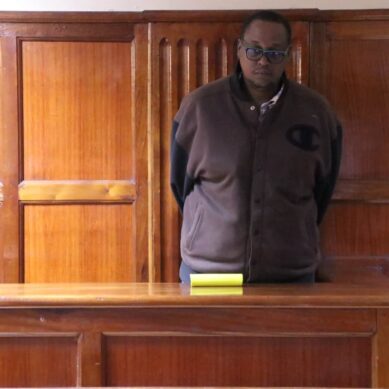


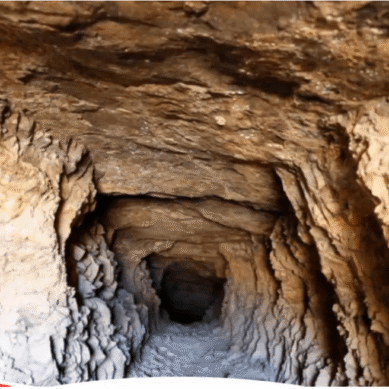
Some 9,000 artisanal gold miners in Siaya to lose livelihood to Shanta Gold Mining Company
Artisanal miners led by Odero Zachary Nyakwaka of the Bamboo Artisanal Miners Cooperative called for openness in the issuance of licences. He lamented that whereas more than 9,000 people rely on artisanal gold mining in Ramula.

Prospects of Kenya being mineral high potential country spurs state to review existing laws to give communities clout
Mineral exploration in the rest of western Kenya, north-western county of Turkana, north-eastern counties of Garissa, Mandera and Wajir, southwestern counties of Migori, Kuria, Kisii and Narok.
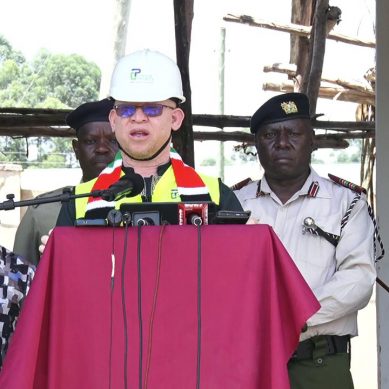
Kenya expects discovery of huge gold deposits in Kakamega to power local currency rally against US dollar
Shanta Gold, a British mining firm wants about 340 acres of land in Isulua and Bushiangala to commence large-sale gold mining, but the residents have been jittery about welfare in the event of relocation.

Kwikbet, quick win: How Kenya’s new gaming platform has kicked off a goldrush in choppy waters
The latest entrant in the gaming industry is Kwikbet – a home-grown company directors say combines skill, thrill and timing that gives players a unique experience unlike others. Players win awards in seconds, minutes or hours, depending on time and investment targets.
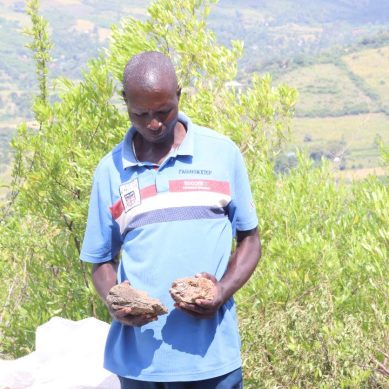
Gold rush: Discovery of precious mineral touches off a mad scramble in Sindo town in Homa Bay County
National Council of Churches of Kenya, Homa Bay County Chair Ken Ouma called for caution noting that in the past, the area witnessed a landslide that killed four people. He feared mining could lead to disasters if uncontrolled stressing: “The government should regulate mining at the site to curb adverse effects.”

Marsabit County targets $15.5 million per annum from artisanal mining as Kenya goes through unprecedented ‘gold rush’ spell
According to Oscar Mwakughu, a superintendent of mines, the Hillo mining belt has the potential to generate over Ksh2 billion ($15.5 million) annually. Mwakughu noted that the enforcement of the 2016 Mining Act is essential not just for legal compliance but for sustainable development.

Gold rush: West Pokot sets up mining office as prospects of Kenya’s north becoming mythical El Darado look real
Speaking during the inauguration of the office at the County Commissioner’s Office in Kapenguria town, Secretary in the State Department of Mining David Onyancha said the decision to operationalise the office in Kapenguria is intended to move the services closer to local people, especially artisanal miners that make a killing from unregulated mining.