

Kenya has allocated Ksh29 billion ($224.2 million) for the construction of 13 new Level Five comprehensive county referral hospitals, each with a capacity of 300 beds, in a major investment to expand access to specialised healthcare in the country.
The planned hospitals are part of efforts to strengthen Kenya’s health infrastructure and advance Universal Health Coverage by bringing specialised and critical care services closer to communities.
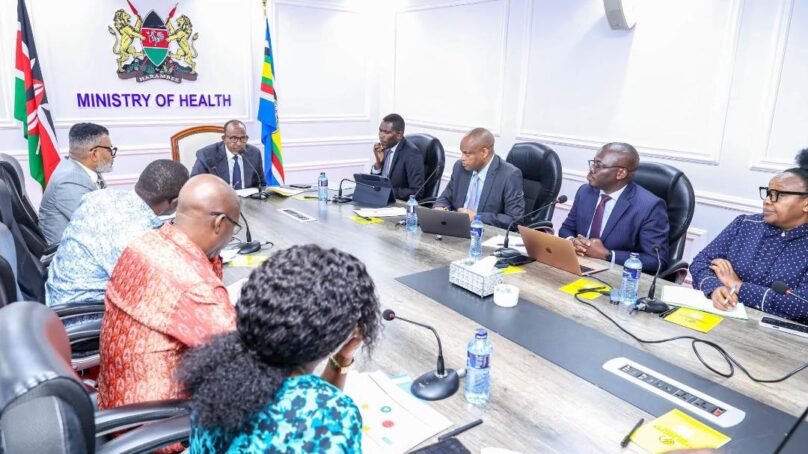
Health Cabinet Secretary Aden Duale chaired a high-level consultative meeting on Thursday to review plans for the projects that are being undertaken in line with a presidential directive.
The proposed facilities will be located in Kilifi, Mandera, Marsabit, Embu, Migori, Nyamira, Turkana, Baringo, Nakuru, Bomet, Narok and Laikipia. The ministry has, however, indicated that the programme covers 13 hospitals while only 12 counties are currently listed, leaving the location of the 13th facility to be clarified.
The investment is expected to significantly increase the availability of specialised services at county level while easing pressure on national referral hospitals. Each facility will be designed to provide modern diagnostic and treatment services that will include at least 16 Intensive Care Unit (ICU) beds and 10 High Dependency Unit (HDU) beds.
The hospitals will also incorporate modern medical equipment and infrastructure designed to support both patients and healthcare workers. The projects will use sustainable and climate-resilient designs, with features that include green engineering and solar energy. The government says the approach is intended to ensure that the new facilities remain efficient and resilient while meeting rising healthcare needs.
The selection of benefitting counties is based on factors such as population size, disease burden, existing health infrastructure and opportunities for financing through the government, development partners and private-sector partnerships.
The approach is intended to channel resources to areas with the greatest need and address disparities in access to specialised medical services.
The Ksh29 billion programme will complement other major health infrastructure projects that include the first phase of the 2,000-bed Kiplombe Multi-Specialty Hospital and the proposed Level Six Hospital in Mombasa.
During the meeting, officials reviewed implementation timelines, coordination between the national and county governments, accountability measures and mechanisms for tracking progress.
Duale called for potential bottlenecks to be identified and resolved early to prevent delays as the projects move from design and construction to the delivery of healthcare services. The minister also stressed the need for close cooperation between the national and county governments, noting that preparations at county level must advance alongside construction.
Counties will be expected to secure land, obtain the necessary approvals, ensure availability of utilities and prepare staffing and operational plans. These measures are intended to ensure the hospitals can begin providing services soon after construction is completed.
The investment comes as Kenya seeks to strengthen a health system comprising 14,883 health facilities, while expanding access to specialised and critical care outside the country’s major referral centres.
The government expects the new hospitals to reduce the need for patients to travel long distances for specialised treatment and to relieve congestion at national referral hospitals.
The consultative meeting brought together Medical Services Principal Secretary Ouma Oluga, Mombasa Governor and Chair of the Council of Governors Health Committee Abdullswamad Nassir, Migori Governor Ochilo Ayacko, Turkana Governor Jeremiah Ekama, Embu Governor Cecily Mbarire, Laikipia Governor Joshua Irungu, Kisii Governor Simba Arati and Marsabit Governor Mohamud Mohamed.
Also present were Presidential Advisor on Health Wilson Aruasa, Head of Health Infrastructure, Projects and Grants Management Hezron Omolo, representatives of county governments and other ministry officials.
- A Tell Media / KNA report / By Joseph Ng’ang’a


About author