

National Treasury is working with Kenya National Chamber of Commerce and Industry (KNCCI) to strengthen supplier participation in government tenders through a comprehensive electronic government procurement (e-GP) training.
During a two-day supplier capacity-building workshop for suppliers, contractors and service providers from Kakamega County and neighbouring counties, the training sought to equip them with critical knowledge and technical skills required to effectively use the digital procurement platform.
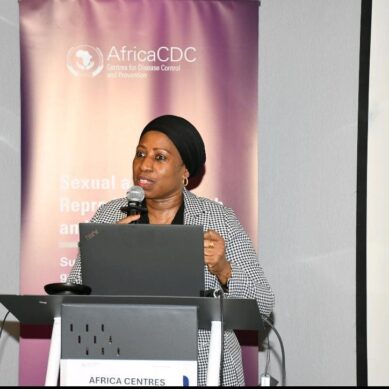
Director of Supply Chain Management Services at National Treasury Mary Mwangi said the e-GP system is a shift toward fairness, transparency and efficiency in public procurement.
“This system is designed to ensure equal access to government procurement opportunities for all suppliers regardless of their location. It removes the barriers that previously disadvantaged many businesses, especially youth and women-owned enterprises,” Mwangi said.
KNCCI Kakamega Chapter Chair Philip Nyongesa underlined the importance of empowering local businesses to fully utilise the digital platform.
“The electronic procurement system eliminates geographical limitations and allows suppliers from Kakamega to compete for tenders across all 47 counties without travelling. This creates a level playing field for all businesses,” Nyongesa said.
However, some participants raised concerns about persistent challenges facing small and local contractors. Nathan Ochinga from County Splash highlighted that many suppliers, especially small and local contractors, lack reliable internet connectivity, computers and uninterrupted power supply to effectively utilise the e-GP platform.
He further noted that small suppliers often depend on third-party computer shops to submit bids because they lack the technical skills to navigate the portal themselves, creating additional costs and potential security risks.
Officials from the State Department for Public Investments and Assets Management said the workshop covered supplier registration, electronic bidding procedures, bid security management, contract management, and technical support for suppliers experiencing challenges.
The National Treasury confirmed that more than 7,000 suppliers have already been approved on the e-GP platform since its rollout in July 2025 by both the national and county governments, water service providers and state corporations.
Senior Supply Chain Officer James Otieno said the system will address procurement inefficiencies and help eliminate pending bills.
“One of the key features of the e-GP system is budget verification before tenders are published. This ensures that procurement only proceeds where funds are available, helping eliminate the accumulation of pending bills,” Otieno said.
He noted that pending bills currently stand at approximately Ksh68 billion nationwide. Participants were taken through practical demonstrations on supplier registration, bid submission, payment tracking and online bid security applications, significantly reducing paperwork and operational costs.
Mildred Kiberenge, a supplier of packaging materials, also raised concerns about system usability, stating that the user-unfriendly interfaces, frequent server timeouts and complex error correction processes that require central administrator intervention create significant frustration for suppliers.
She noted that when errors occur during bid submission, there is often no easy way to correct them without waiting for central administrator assistance, which can result in missed deadlines and lost opportunities.
The National Treasury has asked all procuring entities, including county governments, to fast-track migration to the electronic system to enhance transparency, accountability, and efficiency.
The Kakamega training forms part of a nationwide awareness creation programme that targets over 10,000 suppliers in 28 counties, following similar workshops conducted in Nyandarua, Machakos, Kajiado, Laikipia, Bungoma and Kirinyaga counties.
Officials reaffirmed the government’s commitment to ensuring inclusive access to procurement opportunities for small and medium enterprises, youth, and women-owned businesses.
- A Tell Media / KNA report / By Geoffrey Wanganya


About author